
 ES
 NL
 FR
 PL
 SV
 DE

Six parties have set out housing plans for the general election on Sunday 29 November 2026, and on property they point in very different directions. Some propose cutting purchase taxes to zero; others propose surcharges of 100% or more on homes that are not the buyer’s main residence. This post lays out what each programme says, in the same order and the same format for every party, quoted from the parties’ own documents. We do not rank them and we do not say who should win. We set out what would change for property on the Costa del Sol if each text became law.
Last updated 17 November 2026. We will update this page after the vote and again when a government is formed.
The short version
- Nothing in any programme applies today. Until a new government passes laws, the rules in force are the ones in our election post, including 10% IVA on holiday stays from 1 December.
- On purchase taxes the programmes run from 0% for a first home (SALF, Vox) to surcharges of 100% to 1,000% on homes that are not the buyer’s main residence (Frente Amplio).
- Foreign buyers are named in two programmes: Vox proposes “deterrent” taxation for buyers from outside the EU, and Frente Amplio a 100% surcharge on any purchase that is not a main home, explicitly including non-residents. PP, PSOE and SALF do not mention them. Podemos proposes limiting purchases to the buyer’s own or family residence.
- On holiday lets the range runs from a national register “without bans” (SALF) to the end of all tourist licences in high-pressure zones within three years (Frente Amplio).
- Much of what the programmes promise depends on the Junta de Andalucía and the town halls, which control transfer tax rates, tourist licences and planning on this coast.
- No party has won a majority on its own since 2011, so any government will need partners and will negotiate its programme down. Forming a government and passing laws takes months. For anyone buying on this coast in the coming weeks, the rules do not change. We explain what is more likely further down.
What applies today
The programmes are proposals. The law that applies to anything you sign this month is the one already published. The main points for this coast:
- National housing decree. Real Decreto-ley 29/2026 has been in force since 8 October and was confirmed on 12 November. It caps rent reviews at 2%, tightens seasonal lets, limits holiday stays to 31 days and adds 10% IVA on holiday stays of up to 30 nights from 1 December 2026. The decree on indefinite rental contracts (Real Decreto-ley 28/2026) was rejected and never applied.
- Purchase taxes in Andalucía. Transfer tax (ITP) on a resale is 7%. The Junta’s 2027 budget bill cuts it to 6.75% from 1 January 2027; the bill is still going through the Andalusian Parliament, so until it is published in the BOJA the rate stays at 7%. New builds pay 10% IVA plus 1.2% stamp duty (AJD). The detail is in our post on the 2027 transfer tax cut.
- High-pressure housing zones. Andalucía has not declared any, so the rent controls in the 2023 housing law do not apply anywhere on the coast.
- Wealth and inheritance tax. Andalucía does not collect its own wealth tax in practice; residents with net assets above 3 million euros pay the state’s solidarity tax on large fortunes instead. Direct heirs get a 99% reduction on inheritance tax. See inheritance tax in Andalucía.
- Tourist tax. There is none in Andalucía. The Junta has said it would only consider one with the agreement of the sector and the town halls.
- Foreign buyers. No special tax. The 100% tax on non-EU buyers was a 2025 bill that lapsed when Parliament was dissolved.
The programmes at a glance
Parties are listed alphabetically. “Not in the text” means the programme does not address the point, not that the party opposes it.
| Party | Purchase taxes | Foreign and non-resident buyers | Holiday lets | Construction and land | Squatting |
|---|---|---|---|---|---|
| Frente Amplio | ITP exempt on a first main home; 200% surcharge on a 2nd property, 1,000% from the 3rd; 100% state surcharge on non-main homes | 100% surcharge explicitly includes non-residents and non-EU buyers; purchases limited to main residence or regulated rent | Licences in high-pressure zones end within 3 years; 21% VAT; IBI surcharge up to 150% | 1.5M public homes in 12 years; no building within 500 m of the coast; idle land expropriated after 2 years | Not in the text |
| Podemos | Not in the summary | Ban on buying a home not for own or family residence, with exceptions | Progressive ban on tourist flats | Larger public rental stock; public estate agency | Not in the summary |
| PP | IVA 4% on a first home for under-40s; lower ITP for young buyers, agreed with regions | Not in the text | Not in the text | 1 million homes; new Land Law; licences in 3 months with positive silence | Owner recovers the home in 48 hours by court order |
| PSOE | No change proposed | Not in the text | Town halls may charge a per-night tax; progressive tax on large owners’ homes used for tourism | 100,000 state homes; Land Law; tax on idle residential plots | Keeps protection for vulnerable households |
| SALF | First home: ITP and AJD 0%, IVA 4% refunded; IBI abolished for everyone | Not in the text | National register with tax compliance, “without bans” | Licences in 1 to 3 months or granted by silence; 15-day licence for industrialised homes | Police eviction in 48 hours |
| Vox | First home: IVA 0% on new build, 100% ITP relief on resale | “Aggravated and deterrent” tax for non-EU buyers | Regulate the spread of tourist flats; more inspections | Land Law reform; sharp cut in taxes on building | Eviction in under 24 hours |
Party by party
Each section uses the same five headings. Everything is taken from the party’s own document unless we say otherwise, and we quote rather than paraphrase where the wording matters.
Frente Amplio
Source: the full programme (177 pages), section numbers in brackets.
Buying and purchase taxes
- A ban on buying a home “for any purpose other than the buyer’s habitual permanent residence or regulated affordable rent”, absolute for companies, funds, SOCIMIs, agencies and banks (1.2).
- The same programme also sets tax surcharges on purchases that are not a main home, which implies some such purchases by individuals would remain possible (1.7). We report both as written.
- A state surcharge doubling the tax on any purchase that is not a main home, “explicitly including non-resident and non-EU buyers” (1.7).
- ITP exemption on a first main home, within income and price limits; a 200% surcharge on a second property and 1,000% from the third (1.7).
- A yearly 10% tax on the value of homes: for companies from the first home, for individuals from the fourth home when the combined value exceeds 800,000 euros. Stable affordable rentals are exempt (1.7).
- Wealth tax from 1 million euros of net assets at a minimum of 2%; a state inheritance tax above 1 million euros per heir, with no regional reductions; a state tax on properties worth more than 1 million euros (3.2). The special tax regime for workers moving to Spain, known as the Beckham law, would end (3.3).
Holiday lets
- All tourist licences in high-pressure zones extinguished within three years at most (1.2).
- Any let of 30 days or less counts as a tourist let (1.2).
- Tourist flats would pay 21% VAT, lose income tax deductions for interest, works and depreciation, and be taxed on an imputed 20% income for empty periods (1.2).
- IBI surcharges of 50% to 150% on tourist flats and empty homes, a new municipal tourist tax, and limits on tourist places in high-pressure zones (5.4, 12.4).
Rentals and squatting
- In high-pressure zones, rent capped at the lower of 25% of average household income in the census area or the state reference index; the programme expects an average cut of 35%. A further 30% cut in towns of more than 200,000 people or with “severe tourist saturation” (1.3).
- High-pressure zones declared automatically once the criteria are met, and by the Ministry if the region refuses (1.3).
- Rental contracts indefinite by default (1.3).
- No eviction of vulnerable households without a public alternative; the state pays small landlords the index rent meanwhile (1.4). Squatting is not addressed as a separate item.
Construction and new developments
- 1% of GDP a year, around 17 billion euros, for public housing; 1.5 million public homes in 12 years (1.1).
- 90% of new residential building rights reserved for main residences (100% in high-pressure zones), at least 40% for protected housing (1.1).
- Residential land left unbuilt for two years expropriated or returned to non-buildable status (1.1).
- No building in significant flood-risk areas or in the first 500 metres from the coastline (1.5, 5.6).
- No new developments approved without a health centre, schools, green space and transport within 15 minutes; no gas connections in new builds from 2027 (1.5).
Other measures that touch the coast
- A halt to airport expansions that conflict with climate targets, and around 13 billion euros of planned airport investment moved to rail (5.2, 11.3). The programme does not name individual airports.
- Coastal “planned retreat” and no continuous artificial beach regeneration (5.3).
- A progressive water charge on golf courses and pools (5.6).
Podemos
Source: we could not access the programme document itself. These points come from Demócrata’s summary of the programme, published on 17 November 2026, which reproduces the full text. We will check them against the original if it becomes available.
Buying and purchase taxes
- A ban on buying homes that are not for the buyer’s own or a family member’s residence, with some exceptions.
- Remove the tax advantages of SOCIMIs and widen the tax on large fortunes.
Holiday lets
- A progressive ban on tourist flats.
Rentals and squatting
- Rents cut by 40% by law, for existing and new contracts, within limits set in the programme.
- Indefinite rental contracts by default.
- The state takes over the use of homes held by large owners.
Construction and new developments
- A larger public social rental stock, a public estate agency, and no sale of public housing to private buyers.
Other measures that touch the coast
- Nothing specific on tourism or foreign buyers beyond the purchase rule above in the summary we have.
PP
Source: the programme “La reconstrucción nacional” (82 pages), measure numbers in brackets.
Buying and purchase taxes
- IVA on a first home cut from 10% to 4% for buyers under 40, payable in instalments alongside the mortgage (153).
- A reduced ITP for young buyers of a resale first home, to be agreed with the regions (153).
- Four years instead of two to reinvest the proceeds of selling a main home and keep the income tax exemption (153).
- A public guarantee of up to 20% of the price for buyers under 40, possibly extended to 50; a “Hucha Hogar Joven” savings account with a 20% tax deduction (154, 155).
- The programme does not mention foreign or non-resident buyers.
Holiday lets
- Not addressed in the housing chapter.
Rentals and squatting
- Repeal of the 2023 housing law, removing high-pressure zones and the rent reference index (145).
- Tax credits for landlords who renew a contract for three more years with a rise below inflation; income tax relief for tenants (156).
- A law so the owner can recover an occupied home in 48 hours by court order; communities of owners able to ask the court for eviction; owners exempt from utilities and taxes on the home while it is occupied (157).
Construction and new developments
- One million homes, with public and private land mobilised with the regions and town halls; a new national Land Law (144).
- Building and renovation licences decided within three months, with positive silence (144).
- A planning figure for large “strategic residential projects” that merges planning stages (146).
- Support for industrialised housing; 4% IVA on renovating a main home; extra building height and density allowed in regeneration (147 to 149).
- Construction labour needs taken into account when setting work-migration quotas (152).
Other measures that touch the coast
- Young buyers pay no tax on a main home in depopulated municipalities (196). That does not cover the coastal towns.
PSOE
Source: the programme published on 14 November (114 pages), commitment numbers in brackets.
Buying and purchase taxes
- No change to purchase taxes and no tax on foreign or non-resident buyers. Several online summaries say otherwise; the official text does not contain one.
- A progressive tax on homes owned by large owners and investment funds that are not let at affordable rent, including homes used for tourism, left empty or let at “abusive” prices (70, 72).
- Keep the existing limits on purchases by investment funds (71) and limit speculative purchases in high-pressure zones (78).
- Expand the Tu Casa interest-free loans of up to 50,000 euros for a first home if the 10 billion euro line runs out (67).
Holiday lets
- A national framework letting town halls charge a tax per night in tourist homes, respecting regional taxes already in place (73).
- Funding for inspections of short-stay fraud in high-pressure zones (77).
Rentals and squatting
- Longer rental contracts and a temporary freeze on rents above the reference index in high-pressure markets (61, 62).
- The Ministry to identify and publish a map of high-pressure zones that regions “are not producing” (63).
- A public rent-default guarantee for young tenants (64); keep protection against eviction for vulnerable households, with the cost paid by the administration rather than small landlords (84, 85).
Construction and new developments
- A state stock of 100,000 homes through CASA 47, the state housing company (42).
- A Land Sustainability and Mobilisation Law to speed up planning (50).
- A tax on idle residential plots (53).
- More than 25 billion euros through the ICO for guarantees and loans for affordable housing; support for industrialised construction (48, 55).
Other measures that touch the coast
- Update the Coastal Law to adapt the shoreline to climate change, with more legal certainty for uses of the public coastal strip (292, 293), and a “sustainable and resilient” tourism model (294).
SALF (Se Acabó La Fiesta)
Source: the simplified “Contrato electoral” (39 pages). SALF says the full contract has 119 measures; the simplified version is the one we have.
Buying and purchase taxes
- A first home “at least 35% cheaper by law”: ITP and AJD at 0%, the 4% IVA refunded in full through income tax, licences on time and free public land. SALF’s example is a 300,000 euro flat costing 195,000 euros.
- IBI abolished for everyone, with no compensation to town halls. SALF puts the cost at around 13.4 billion euros a year.
- Inheritance, gift and wealth taxes abolished, including the state tax on large fortunes.
- Tax revenue from housing not allowed to grow faster than inflation.
- A state guarantee of a 20% deposit for first-time buyers under 40. The summary list of commitments says “under 45”; we quote the age in the measure itself.
- The text does not mention foreign or non-resident buyers.
Holiday lets
- A single national register for tourist rentals “with tax compliance, without bans”.
Rentals and squatting
- Police remove squatters within 48 hours on a complaint and proof of ownership. Tenants who stop paying go to a fast verbal trial with eviction in 30 days, with no vulnerability exemption.
- Public insurance guaranteeing landlords 12 months of rent and damage, in exchange for not requiring payslips or a bank guarantee.
- SOCIMIs with more than 100 rental homes taxed at 25%.
Construction and new developments
- Licences in one month for minor works, two for major works and three for large developments; after that the licence is granted and the town hall pays for the delay.
- Industrialised housing on public and consolidated urban land with an automatic licence in 15 days and one national technical standard. Target: 150,000 homes a year by 2030.
- All SAREB and state land tendered within 12 months for protected homes for sale at a capped price.
Other measures that touch the coast
- A referendum on renegotiating Spain’s EU membership, and a second one on leaving if Brussels refuses.
- Talks with London on Gibraltar with co-sovereignty as the first step.
- No limit on cash payments, repealing the current 1,000 euro cap.
Vox
Source: the programme published on 12 November (55 pages), measure numbers in brackets.
Buying and purchase taxes
- “The first main home of a Spanish family pays no tax”: 0% IVA on a new-build first home and 100% ITP relief on a resale first home; the deduction for buying a main home restored (34).
- “Aggravated and deterrent taxation for non-EU buyers and speculative operations by funds or companies”, with the revenue used for home-buying relief and protected housing. No rate is given (35).
- Middle-rate taxation for purchases that add long-term rental supply (35).
Holiday lets
- Regulate the “massive proliferation” of tourist flats and strengthen inspection of illegal ones (30).
Rentals and squatting
- Repeal of the 2023 housing law; tax incentives for long-term lets and deductions for Spanish tenants (30).
- Eviction of squatters in under 24 hours, free legal aid for owners, and no taxes or utility charges on the home while it is occupied (31).
- Proof of legal residence required to sign a rental contract (32).
- Priority for Spanish nationals in protected housing and rent aid (27).
Construction and new developments
- Land Law reform to “see cranes in the sky again”: more land, faster procedures, fewer rules (28).
- A “drastic” cut in the taxes on the whole building process and better financing for developers and builders (33).
- More public investment in protected housing through land transfers, subsidies, guarantees and soft loans (29).
Other measures that touch the coast
- Tax and promotion measures to support the tourism industry “while preserving the identity of our neighbourhoods”, and general cuts to IVA, income tax and corporate tax (2).
What Madrid can change and what it cannot
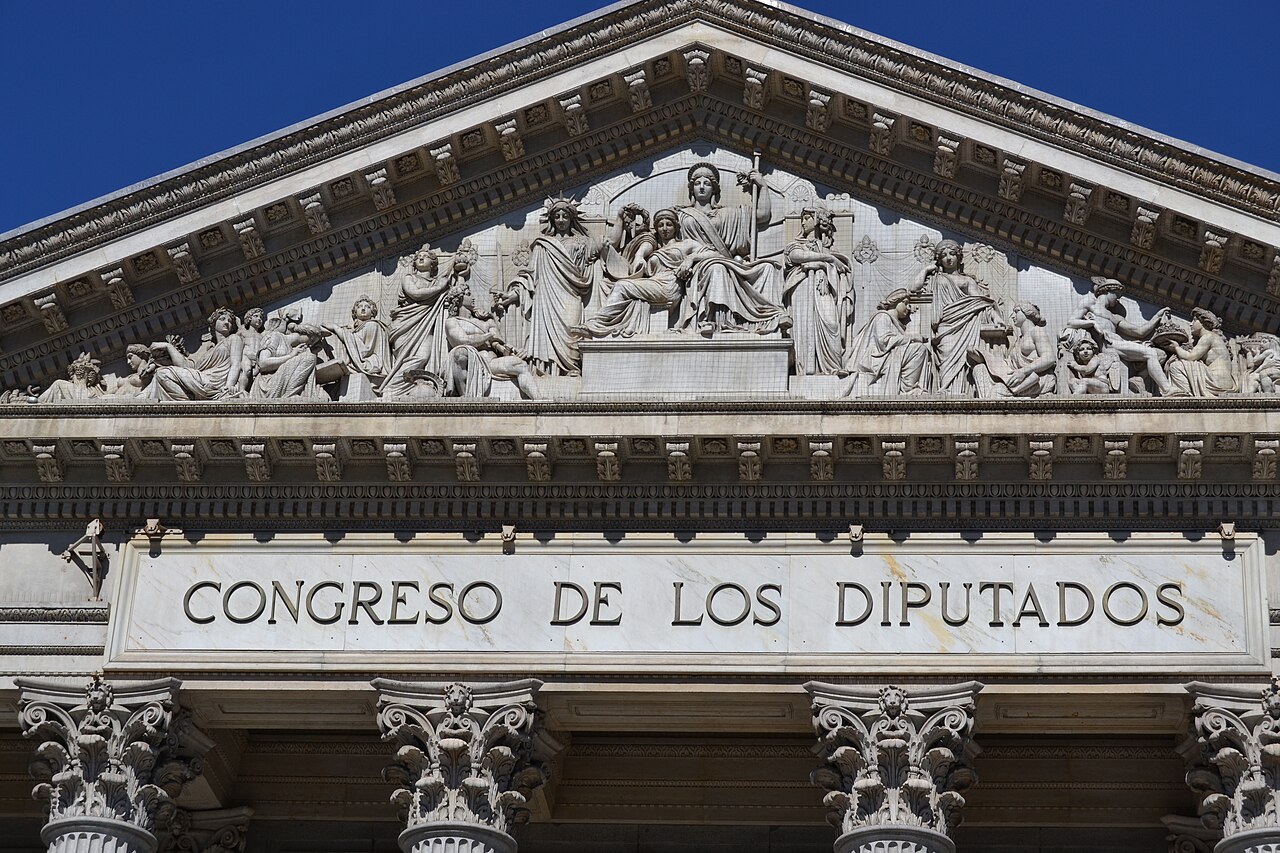
A general election chooses the national parliament. Under the Constitution, housing and planning are regional powers (article 148.1.3). Madrid acts through national taxes, civil law, banking rules and the basic conditions that apply everywhere. That line matters on this coast, because several of the proposals sit on it.
- Transfer tax (ITP). The rate is set by the Junta. A national government can change the framework or add a state surcharge, as Frente Amplio proposes, but an ITP cut for young buyers (PP) or 0% ITP (SALF, Vox) would need the Junta’s agreement or a change to how the tax is shared out.
- IVA and AJD on new builds. IVA is national, so the 0% (Vox) and 4% (PP, SALF) proposals are in Madrid’s hands. AJD is regional.
- Wealth and inheritance tax. These are state taxes managed by the regions. Andalucía’s reliefs exist because the state lets regions set them. Frente Amplio proposes a national minimum and a state inheritance tax with no regional reductions; SALF proposes abolishing both.
- IBI. Town halls collect it under a national law. Abolishing it (SALF) or allowing higher surcharges (Frente Amplio) would need that law changed. On this coast IBI is a large part of town hall income.
- Tourist licences. Licences are issued by the Junta through the Andalusian tourism register. Since Decreto 31/2024, town halls can limit their number for reasons of general interest. A national ban (Frente Amplio, Podemos) or a national register (SALF) would run into those powers.
- High-pressure zones. Under the 2023 law the region declares them. Andalucía has declared none. PSOE and Frente Amplio propose that the Ministry identify or declare them; PP and Vox propose repealing the law. The Junta itself took parts of the 2023 law to the Constitutional Court, which in 2024 annulled two articles for invading regional planning powers (STC 79/2024).
- Planning and land. Land use on this coast runs under the Andalusian planning law (LISTA, Ley 7/2021) and the town plans of Marbella, Estepona, Benahavís, Casares and Manilva. The Andalusian housing law (Ley 5/2025) has applied since January 2026. A new national Land Law (PP, PSOE, Vox) sets basic conditions; the plans themselves stay local.
- The coastline. The Coastal Law is national, so a 500 metre building restriction (Frente Amplio) is within Madrid’s reach, although its interaction with approved town plans is not set out in the programme.
What it would mean on the Costa del Sol
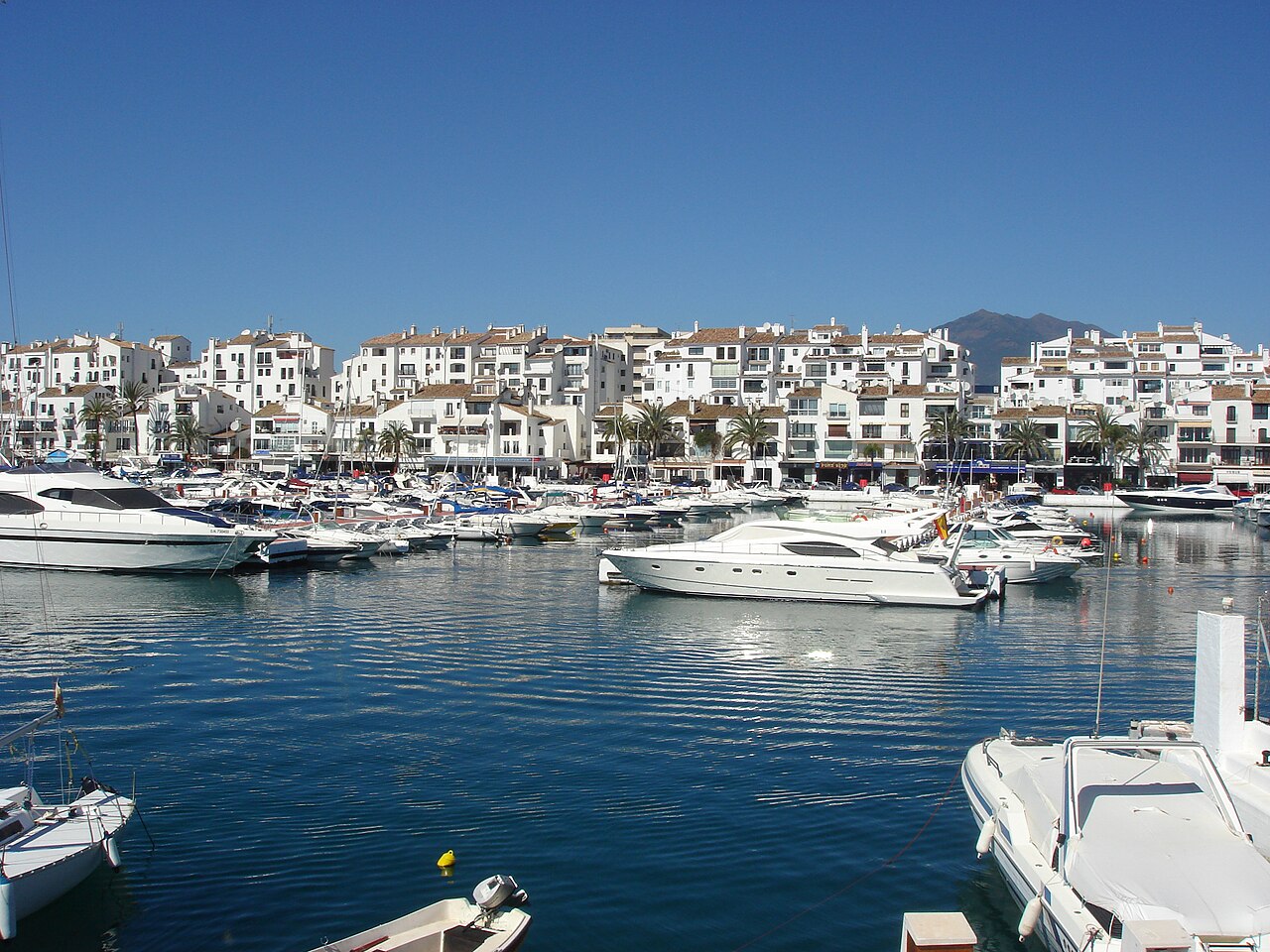
This section takes each programme text at face value and asks what it would change for the kinds of property that dominate this coast. It is a reading of the texts, not a forecast of what any party would manage to pass.
Foreign and non-resident buyers
Foreign buyers made 37% of home purchases in Málaga province in the second quarter of 2026, according to the Colegio de Registradores, against about 14% nationally. That is why this is the point most of our clients ask about.
- Frente Amplio: the largest change. A buyer who would not live in the home as their main residence would face the 100% state surcharge, plus an ITP surcharge of 200% or 1,000% if they already own other property, and the purchase restriction in section 1.2.
- Vox: a higher tax on buyers from outside the EU, with no rate. EU buyers are not named.
- Podemos: a purchase limited to own or family residence would exclude a second home bought for holidays, subject to the exceptions the programme sets.
- PP, PSOE, SALF: no specific measure. PSOE’s progressive tax applies to large owners and funds, not to individual buyers.
Holiday lets and tourism

Málaga airport handled 2,696,944 passengers in October 2026, 4.7% more than a year earlier, after a record 3.05 million in August (Aena). Holiday rental income is part of the numbers for many owners here.
- Frente Amplio: where a high-pressure zone is declared, tourist licences would end within three years, and the tax treatment would change for all tourist flats (21% VAT, no deductions, higher IBI). A town counts for the extra 30% rent cut if it has “severe tourist saturation”, a term the programme does not define.
- Podemos: a progressive ban on tourist flats.
- PSOE: town halls could add a per-night charge, and large owners’ tourist homes would face the new progressive tax.
- Vox: more regulation of growth and more inspection, no new tax.
- SALF: a register with tax compliance and no bans.
- PP: no measure.
Whatever happens nationally, the Junta’s licences, town hall limits under Decreto 31/2024 and your community of owners’ right to vote on tourist use stay in place. We cover that last point in can your community vote away your holiday rental.
New developments and construction
Spain built about 92,000 homes in 2025 against 240,000 new households, according to the Fedea analysis we covered in the election post. Every programme says it wants more homes; they differ on who builds them and on what terms.
- Faster licences: PP (three months, positive silence), SALF (one to three months, positive silence, 15 days for industrialised homes), Vox (simpler procedures). Licences on this coast are issued by town halls, so the effect depends on how a national rule binds them.
- Taxes on building: Vox proposes cutting them across the process; PP proposes 4% IVA on renovation and on a first home for under-40s; SALF 0% effective for first-home buyers.
- Public building: Frente Amplio (1.5 million homes), PSOE (100,000 state homes), PP (1 million homes, public and private).
- Restrictions: Frente Amplio’s 90% main-residence reserve on new building rights, the 500 metre coastal limit and the expropriation of land idle for two years would apply directly to the type of second-home and branded-residence schemes built on this coast. PSOE’s tax on idle residential plots targets land banks.
- Off-plan buyers: none of the programmes addresses contracts already signed. A reservation or off-plan payment schedule runs on its own terms. How off-plan protection works in Spain.
Resale homes
- A buyer of a resale first home would pay no ITP under Vox and SALF, and a reduced ITP for under-40s under PP if agreed with the Junta. Frente Amplio exempts a first main home within price and income limits.
- Sellers: PP extends the reinvestment window on a main home to four years. Frente Amplio sets a plusvalía of up to 35% for large owners selling within two years.
- Owners of homes above 1 million euros: Frente Amplio’s state property tax and wealth tax from 1 million euros would apply; SALF would abolish wealth tax and IBI.
Long-term rentals
- Rent caps: Frente Amplio (income-linked, with an extra 30% cut in larger or tourist-saturated towns), Podemos (40% cut), PSOE (temporary freeze above the index in high-pressure markets). Each depends on high-pressure zones, which Andalucía has not declared, unless the Ministry declares them as PSOE and Frente Amplio propose.
- Repeal of the 2023 housing law: PP and Vox.
- Default and squatting: PP (48 hours by court order), SALF (48 hours by police, 30 days for unpaid rent), Vox (under 24 hours). The current route is explained in our guide to tenants who stop paying.
What could realistically happen
A programme is an opening position, not a law. Four things hold whoever wins on 29 November.
Four things that hold whoever wins
- It takes time. After the July 2023 election the investiture vote came on 16 November, almost four months later. In 2019 the April vote led to a second election in November. Then each measure needs its own law. Realistically, nothing in these programmes takes effect before spring 2027, and tax changes usually start on a date written into the law.
- It takes partners. No party has won an absolute majority in Congress (176 of 350 seats) since 2011. Any government needs other parties’ votes, so programmes are negotiated, trimmed and phased. A measure that appears in only one programme has to be accepted by the others before it becomes law.
- Much of it depends on Andalucía and the EU. Transfer tax rates, tourist licences, planning and high-pressure zones sit with the Junta and the town halls, as set out above. A tax that treats buyers differently by where they live also has to fit EU rules on the free movement of capital, which cover non-EU countries too. Tax lawyers questioned the 2025 bill for a 100% tax on non-EU buyers on exactly that point.
- Taxes are not backdated. A new tax applies from the date set in the law that creates it. A purchase completed before that date is taxed under the rules in force on the day of the deed.
What is more likely, and what is less likely
We do not use polls and we do not guess who will win. There is a more useful test: how many programmes share a measure, and whether Madrid can pass it alone. Measures that appear in most programmes and only need a national law have the best chance of surviving any negotiation. Measures that appear in one programme, or that need the Junta or a change to EU law, have the least.
More likely, because most programmes share them:
- More homes, faster. Every programme promises more building, and most propose a new national Land Law, quicker licences or support for factory-built homes. For new developments on this coast that points to shorter timelines, not new restrictions.
- Help for first-time buyers who live in Spain, through guarantees, loans or lower taxes on a first home. These schemes are aimed at residents and do not change the costs for a second-home buyer.
- Closer control of illegal holiday lets, through registers and inspections. Licensed, registered holiday rentals are already the norm on this coast.
Less likely to pass as written, because only one programme proposes them or they need others to agree:
- Large surcharges on second homes, a 500 metre coastal building ban, or limits on who can buy, each found in one or two programmes.
- Abolishing IBI or taxes on buying altogether, which would remove a large share of town hall and regional income.
- A special tax on non-EU buyers, which appears in one programme, gives no rate, and would face the EU law questions raised in 2025.
- Ending tourist licences, which are issued by the Junta and limited by town halls, not by Madrid.
And if no government is formed, Parliament is dissolved two months after the first investiture vote and Spain votes again. The rules in force today simply continue in the meantime.
Put together, the most likely outcome for property on the Costa del Sol is gradual change over 2027 and after, rather than a sudden break, with the regional rules on transfer tax, licences and planning staying in Andalusian hands.
Foreign buyers: what could happen to your purchase
Most of our clients buy from abroad, so we went back through all six programmes from that side. The answer depends on where you are in the process and how you hold the property. In every case the starting point is the same: nothing in these programmes is law, and a new tax applies only from the date the law that creates it sets.
If you already own a home here
- Your purchase itself is safe. The transfer tax or IVA you paid was settled at completion. None of the programmes proposes taxing past purchases again.
- What could change is the yearly cost of owning. Frente Amplio proposes a wealth tax from 1 million euros, a state tax on homes worth more than 1 million euros, IBI surcharges on empty homes and tourist flats, and a yearly 10% tax on home value for companies from the first home and for individuals from the fourth home above 800,000 euros combined. SALF proposes the opposite: no IBI, no wealth tax and no inheritance tax. The other programmes do not propose changes to these taxes for individual owners.
- If you let it to holidaymakers, the measures on tourist flats in the Frente Amplio and Podemos programmes are the ones to watch, as set out above. The 10% IVA on stays of up to 30 nights from 1 December applies whoever wins.
- The rules that already apply to you do not change: non-resident owners still file the yearly non-resident income tax return on their Spanish home, as they do today.
If you have reserved, signed arras or are buying off-plan
- Your contract runs on its own terms. The election does not cancel a reservation or an arras contract, and it does not give either side a way out.
- Transfer tax on a resale is charged on the day of the deed, at the rate in force that day. A resale completing in the coming months completes under today’s rules.
- On an off-plan purchase, IVA is charged on each stage payment as you make it. A change to IVA would only affect payments made after the change takes effect, not those already paid.
If you are planning to buy in 2027 or later
- EU and EEA buyers: only Frente Amplio’s surcharge on homes that are not a main residence, and Podemos’s limit on purchases that are not for own or family use, would apply to a second home bought by an EU citizen. Vox’s proposal names non-EU buyers only.
- British, American, Swiss and other non-EU buyers: since Brexit, UK buyers count as non-EU. Vox proposes a higher tax for this group with no rate given; Frente Amplio’s surcharge applies to them as to any non-main-home buyer. As covered above, tax lawyers questioned the 2025 bill for a 100% tax on non-EU buyers under the EU rules on free movement of capital, which protect capital from outside the EU as well.
- Buyers moving here to live: a home bought as your main residence after you become resident falls outside the surcharges in every programme, and could benefit from the first-home measures in the PP, SALF and Vox programmes if you qualify.
- Buying through a company: Frente Amplio’s purchase restriction is absolute for companies and its 10% yearly tax applies to companies from the first home. If you plan to hold a property through a company, ask your lawyer how each scenario would affect that structure.
If you sell later
- None of the programmes changes the tax a non-resident pays on selling a single home they own. Frente Amplio’s higher plusvalía applies to large owners selling within two years.
- Any limit on who can buy would also apply to the people buying from you, which is worth keeping in mind for a long holding period. It is also one of the measures with the least support across the programmes.
The practical takeaway. For a foreign buyer completing in the coming months, the purchase happens under today’s rules and nothing in the programmes reaches back to it. The questions worth asking a lawyer are about the years after: how the property is held, whether it will be let, and when you expect to complete if your purchase will run into 2027. We set out in our election post why “buy before the election” and “taxes will definitely rise” are claims nobody can back today, and that still holds. If you are starting from scratch, how buying in Spain works and the NIE guide cover the steps, and getting a mortgage as a non-resident covers financing.
After 29 November
A result is not a law. The sequence runs: vote, new Cortes constituted, investiture vote, government formed, bills drafted, passed and published, commencement date. Under the Constitution, if no candidate wins an investiture within two months of the first vote, Parliament is dissolved again. Tax changes need their own law, and most take effect from a date written into it, often 1 January. Anything that needs the Junta’s agreement, from ITP to tourist licences, adds another step.
For anything you sign before then, the law in force on the day you sign applies. We will update this page with the result on 30 November and again when a government is formed, and add a line to the election post at each step.
If you are buying or selling on this coast and want to know how a specific proposal would affect your numbers, talk to us. For legal advice on a contract, use an independent lawyer, not the developer’s or the notary’s.
Sources
- Frente Amplio, electoral programme for the general election of 29 November 2026 (full text, 177 pages).
- Podemos programme as summarised and reproduced by Demócrata, “Programa electoral de Podemos para el 29N”, 17 November 2026.
- Partido Popular, “La reconstrucción nacional”, electoral programme, November 2026.
- PSOE, electoral programme 29N 2026 (PROGRAMAPSOE29N26), November 2026.
- SALF, “Contrato electoral, Generales 2026, simplificado”.
- Vox, electoral programme for the 2026 general election, 12 November 2026.
- BOE, 7 October 2026: Real Decreto-ley 29/2026 (BOE-A-2026-20823); BOE, 13 November 2026: convalidation of Real Decreto-ley 29/2026 and repeal of Real Decreto-ley 28/2026.
- Junta de Andalucía, Consejo de Gobierno, 30 October 2026: 2027 budget bill with the ITP cut to 6.75%.
- BOJA 247, 24 December 2025: Ley 5/2025, de 16 de diciembre, de Vivienda de Andalucía.
- Decreto 31/2024 of the Junta de Andalucía, amending Decreto 28/2016 on tourist homes.
- Tribunal Constitucional, STC 79/2024 of 21 May, on the challenge by the Junta de Andalucía to Ley 12/2023.
- Aena, 12 November 2026: Málaga-Costa del Sol airport, October 2026 traffic; September 2026: August traffic.
- Colegio de Registradores, Estadística Registral Inmobiliaria, second quarter 2026: share of purchases by foreign buyers by province.
- Gómez-Acebo & Pombo, 2025: Javier Vinuesa on the legal risks of the proposed 100% tax on non-EU buyers under article 63 TFEU (free movement of capital).
- Congreso de los Diputados: investiture of 16 November 2023 after the general election of 23 July 2023; results of general elections since 2011.
- Spanish Constitution, articles 99 and 148.1.3.
Questions people are asking
Which parties want a tax on foreign buyers in Spain?
Two programmes name them. Vox proposes “aggravated and deterrent” taxation for buyers from outside the EU, without a rate. Frente Amplio proposes a 100% state surcharge on any purchase that is not the buyer’s main home, explicitly including non-residents and non-EU buyers. PP, PSOE and SALF do not mention foreign buyers.
Does PSOE propose a 100% tax on non-resident buyers?
Not in its 2026 programme. The 100% tax was a 2025 bill that lapsed when Parliament was dissolved. PSOE’s programme proposes a progressive tax on homes owned by large owners and funds that are used for tourism, kept empty or let at abusive prices.
Will holiday lets be banned on the Costa del Sol after the election?
No programme can do that on its own. Frente Amplio proposes ending tourist licences in high-pressure zones within three years and Podemos a progressive ban, but licences are issued by the Junta de Andalucía and Andalucía has declared no high-pressure zones. Any national ban would need a law and would face the regional powers over tourism and housing.
Which parties want to cut purchase taxes on a first home?
Vox proposes 0% IVA on a new-build first home and 100% ITP relief on a resale. SALF proposes 0% ITP and AJD with the IVA refunded. PP proposes 4% IVA for buyers under 40 and a lower ITP agreed with the regions. Frente Amplio exempts a first main home from ITP within price and income limits.
Can a new government change transfer tax in Andalucía?
Not directly. The ITP rate is set by the Junta de Andalucía, which plans to cut it from 7% to 6.75% on 1 January 2027 through its budget law. A national government could add a state surcharge or change the framework, but a lower rate for a group of buyers would need the region.
What do the parties propose on squatters?
PP proposes recovery of the home in 48 hours by court order, SALF police eviction in 48 hours with 30 days for tenants who stop paying, and Vox eviction in under 24 hours. PSOE keeps protection against eviction for vulnerable households, with the cost met by the administration. Frente Amplio and Podemos do not treat squatting as a separate item.
Will the 2023 housing law be repealed?
The PP and Vox programmes both propose repealing it. The PP says it would remove high-pressure zones and the rent reference index. The PSOE, Frente Amplio and Podemos programmes keep the law and build on it. A repeal would need a majority in Congress for a new law.
Will Andalucía be forced to declare high-pressure housing zones?
Not under current law, which leaves the declaration to the region. The PSOE proposes that the Ministry identify and publish the zones regions are not producing, and Frente Amplio that the Ministry declare them if a region refuses. Either would need a new law, and the Constitutional Court has already limited how far national housing law can reach into regional planning powers.
Will there be a tourist tax in Marbella or Estepona?
There is none in Andalucía today. The PSOE proposes a national framework that lets town halls charge a per-night tax in tourist homes if they choose, and Frente Amplio proposes a municipal tourist tax on hotels and tourist flats. Each town hall would still decide whether to apply it.
Does any party plan to reopen the Golden Visa?
No. The investor visa closed to new applications on 3 April 2025, and none of the six programmes proposes bringing it back. The PSOE programme lists its closure among the measures already taken.
What happens to the 10% IVA on holiday lets after the election?
It applies from 1 December 2026 under the decree confirmed on 12 November, whoever wins. Frente Amplio proposes raising it to 21% for tourist flats. The other programmes do not mention it, so any change would need a new law.
What do the parties propose on wealth and inheritance tax?
Frente Amplio proposes a wealth tax from 1 million euros, a state inheritance tax above 1 million euros per heir with no regional reductions, and a national minimum that would limit Andalucía’s reliefs. SALF proposes abolishing wealth, inheritance and gift tax. The PP, PSOE and Vox programmes do not set out changes to these taxes for homeowners.
Would new building near the beach be banned?
Only one programme proposes it. Frente Amplio would ban building in the first 500 metres from the coastline and in significant flood-risk areas. The programme does not say how it would treat licences already granted or plans already approved. No other party proposes a coastal limit.
What help do the parties offer first-time buyers with a deposit?
The PP proposes a public guarantee of up to 20% of the price for buyers under 40, possibly up to 50, and SALF a state guarantee of a 20% deposit for buyers under 40. The PSOE would expand the Tu Casa interest-free loans of up to 50,000 euros. These schemes are aimed at buyers who live in Spain.
Can foreign property owners vote in the general election?
No. General elections are for Spanish citizens. Owning property, holding an NIE or paying tax in Spain does not give a vote on 29 November. EU citizens resident in Spain can vote in municipal elections only.
I am British. Would I count as a non-EU buyer?
Yes. Since Brexit, UK citizens who are not resident in Spain are treated as non-EU buyers. Today that changes nothing on the purchase taxes. Vox’s programme proposes a higher tax for non-EU buyers without a rate, and Frente Amplio’s surcharge applies to any buyer who will not live in the home as a main residence.
I already own a home in Spain. Could a new law tax my purchase again?
No programme proposes that. The tax on your purchase was settled when you completed. What a new government could change is the yearly cost of owning, such as wealth tax, IBI or the rules on holiday letting, and only from the date a new law sets.
I am buying off-plan. What happens if IVA changes?
IVA on an off-plan home is charged on each stage payment when you make it. A change in the rate would apply to payments made after it takes effect, not to those already paid.
Should I wait until after the election to buy?
That depends on your own plans, not on the vote. Nothing in force changes on 29 November, forming a government takes weeks or months, and any new tax would need a law with a start date. A purchase completed under today’s rules is taxed under today’s rules.
When could any of these proposals take effect?
Not before a government is formed and a law is passed and published. Forming a government can take weeks or months, and tax changes usually start on a date set in the law. Until then the rules in force today apply to every purchase and rental contract.
Not sure which area suits you?
Find your perfect area
Take our Zone Finder quiz and we will match you to one of the 79 zones we cover.
Take the Zone Finder quiz →