
 ES
ES NL
NL FR
FR PL
PL SV
SV DE
DEUpdated 6 October 2026. The original version of this article was published in April 2026 and argued that Manilva was Estepona ten years ago. Some of that held up. The price numbers did not, and I would rather correct them in public than leave a wrong figure on the site.
What changed between April and October 2026?
The short version: developers arrived faster than I expected, and they priced at Estepona levels from day one.
On 6 October 2026 our Inmobalia feed shows 257 properties for sale in the Manilva municipality. Of those, 207 are new-build units in developments. The median asking price for a new-build apartment is €5,665 per m2. In Estepona, with 1,200 listings in the same feed, the equivalent figure is €5,971 per m2. That is a 5 percent discount, not the 30 to 40 percent I described in April.
Where did the supply come from? Our own new developments page tells the story. Vesta Mare went live in October 2025. Kristina Views followed in August 2026. Then, between 16 September and 5 October 2026, seven more projects appeared in the Los Hidalgos area: Moon 64 (49 units), Altos de Manilva (16 units from €235,000), Amphora Beach Residence III and IV, Blue Marine, Blue Wave (24 units) and Blue View Heights. That is roughly 170 new units in three weeks, in a municipality of 18,000 people.
I said in April that the window after the first serious developer arrives rarely stays open more than two to three years. It stayed open about eighteen months.
Where the price gap still exists
Resale. Manilva resale apartments ask a median €3,941 per m2. Estepona resale apartments ask €6,419. That is a 39 percent gap, and it is wider than the new-build gap ever was.
| Asking price per m2, October 2026 | Manilva | Estepona | Gap |
|---|---|---|---|
| New-build apartment (median) | €5,665 | €5,971 | 5% |
| New-build penthouse (median) | €7,617 | €4,839 | Manilva higher |
| Resale apartment (median) | €3,941 | €6,419 | 39% |
| Resale penthouse (median) | €3,563 | €5,338 | 33% |
| Resale townhouse (median) | €4,107 | €4,609 | 11% |
| Resale villa (median) | €4,500 | €5,331 | 16% |
Source: Inmobalia network asking prices, 6 October 2026. Manilva 257 listings, Estepona 1,200. Asking prices, not sold prices, and medians hide a wide spread. Treat them as a direction, not a valuation.
Two things stand out. First, Manilva new-build penthouses now ask more per square metre than Estepona ones. That is Vesta Mare and Nubay pulling the figure up with frontline product, and it tells you what developers think the top of this market will pay. Second, the resale stock is where the old Manilva prices still live. A ten-year-old apartment in Sabinillas or near Duquesa port is asking roughly the same as it would have in April, while the new building two streets away asks half as much again.
That spread will not hold. New-build pricing drags resale pricing up over time, because the buyer who cannot stretch to the new project looks at the older one next door and recalculates. I watched this happen in Estepona between 2017 and 2021. The resale owner who sells today in Manilva is pricing against the old neighbourhood, not the new one.
Why everyone kept looking east, and why that is ending
I have been selling and buying property on the Costa del Sol since 1999, and the pattern repeats. A location gets discovered, prices climb, and a new wave of buyers arrives convinced they are still early. By the time something is on the cover of a property magazine, you are not early. Marbella went through this in the early 2000s. Estepona went through it between 2017 and 2022. Manilva is going through it now, in the new-build segment at least.
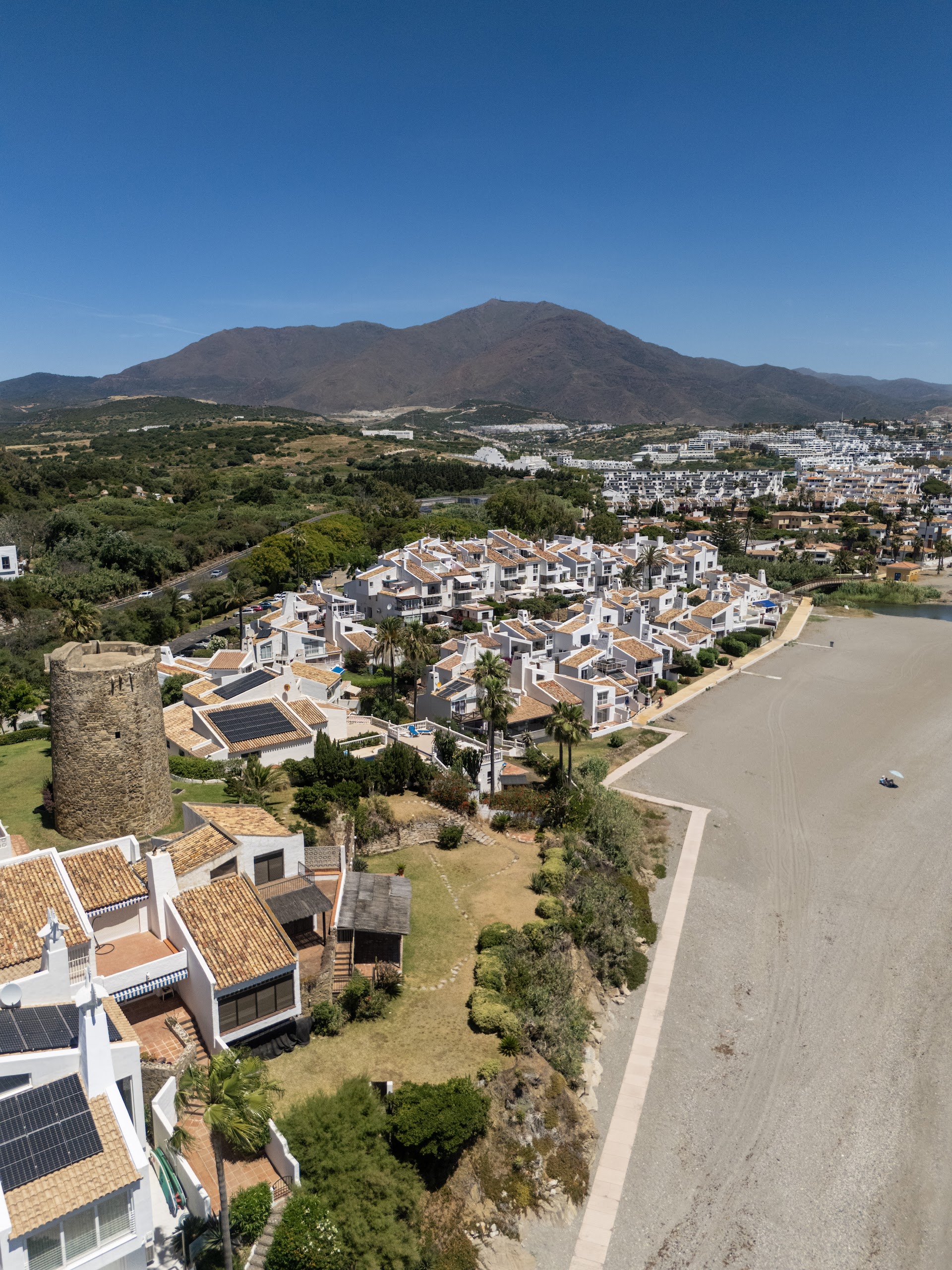
Manilva sits at the southwestern tip of the Costa del Sol, where the coast curves toward Gibraltar. It is not polished. The promenade in Sabinillas has more local bars than cocktail lounges, and the supermarkets are full of Spanish families on summer weekends rather than the international set you find in Puerto Banús. The town has also been growing for a long time without anyone outside it noticing: the municipal register went from 6,270 residents in 2002 to 18,099 in January 2024, a rise of 25 percent in the last ten years alone, according to the Spanish statistics office INE.
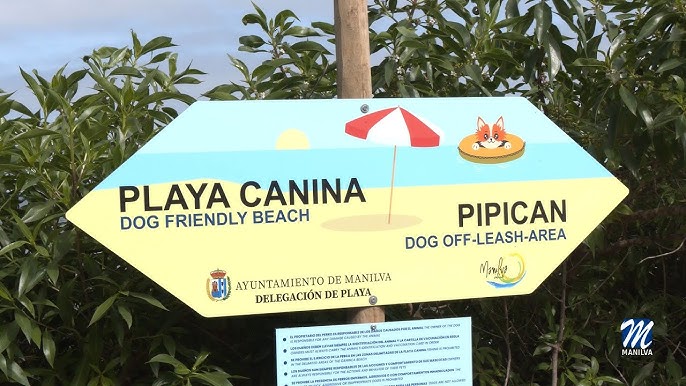
The infrastructure has caught up quietly too. The Sabinillas seafront promenade was rebuilt in three phases with a million euros from the Málaga provincial council, with the last stretch towards La Noria handed over in April 2024 and maintenance works continuing through 2026. The Senda Litoral coastal path now starts here and runs east to Marbella. Manilva has one of the coast’s four dog beaches, and every September the town throws its Vendimia wine harvest festival, grape stomping and procession included. We covered this year’s edition in our first week of September roundup.
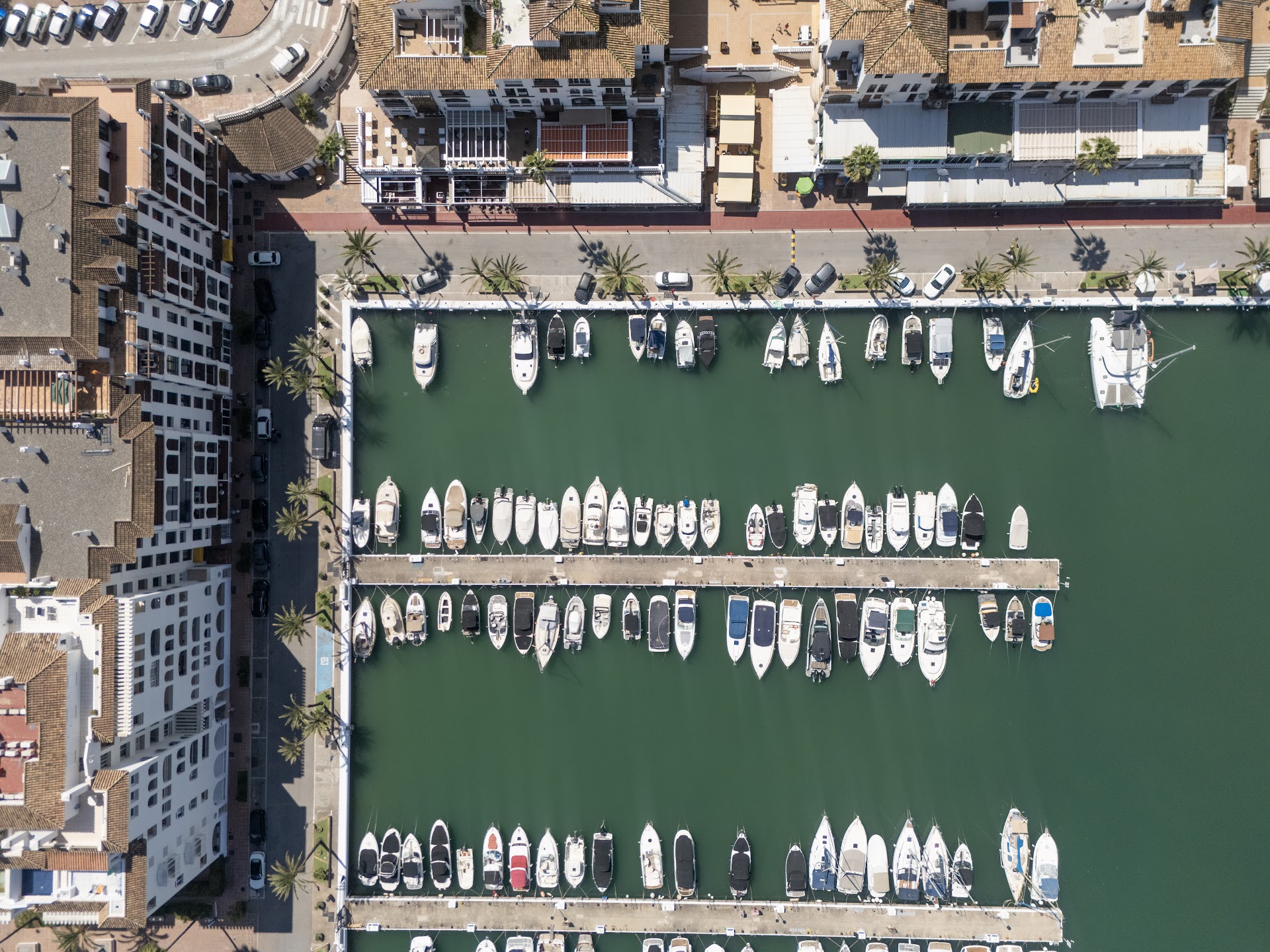
The drive to the centre of Estepona is roughly twenty minutes on the A-7. Marbella is forty to forty-five minutes in normal traffic, Gibraltar airport thirty, Málaga airport about an hour and ten. For the UK, Scandinavian and Benelux buyers I work with, who are not commuting daily, those distances were never the obstacle. They were a discount disguised as geography, and the new-build market has now priced that discount out.
What Vesta Mare turned out to mean
Vesta Mare was the signal. The seven Los Hidalgos launches that followed within a year were the market reading it.
Vesta Mare is Grupo ABU’s frontline project next to the Castillo de la Duquesa: 145 homes in three buildings on an 18,737 m2 plot, one to four bedrooms, with an investment the developer put at more than €80 million when the project was announced in December 2025. Grupo ABU has built over 3,500 homes in 25 years, mostly in Seville and Cádiz, and this is their first Costa del Sol beachfront scheme. On our listings the units run from €435,000 to €1.36 million. During groundworks the site turned up Roman remains, including traces of a garum fish-sauce factory, and the project now includes an interpretive museum for them, which is a very Manilva detail.
Land prices in the established zones made developer margins difficult, and developers who wanted a competitive price point were pushed west whether they planned it or not. What I underestimated was how quickly the second and third developers would follow, and that they would not undercut the first. They matched it.
New frontline beach product is rare anywhere on the Costa del Sol now. When it appears, it tends to hold value through corrections in a way that second-row or golf-adjacent property does not. Buyers who went through 2009 and 2010 with me know that frontline beach in good locations lost far less than everything else. That part of the April article I stand by completely.
Who is buying in Manilva now, and what are they getting?
The buyer has split in two: new-build buyers paying Estepona prices for a Manilva address, and resale buyers still getting the old discount.
Historically Manilva was Spanish domestic buyers, British expats who had been on the coast for decades and wanted something low-key, and a small number of Belgian and Dutch buyers who found Marbella too loud. That mix is still here. What was added over the past two years is a more financially motivated international buyer with €300,000 to €600,000 who looked at Estepona, ran the numbers, and came west.
The honest update is that the €350,000 Manilva new-build I used as an example in April is now a €450,000 to €530,000 new-build. Altos de Manilva still starts at €235,000, but that is a hillside product, not frontline. If you want the Manilva discount in 2026 you are looking at resale, and resale means older stock, more work, and a thinner choice. Our breakdown of what a new build actually costs and the piece on why off-plan is safer than it feels both apply here if you are weighing the two.
The rental market is still less developed than Estepona. Peak summer occupancy is strong because the beaches are good and the value attracts the family rental market. Outside July and August occupancy drops more sharply than in Marbella or central Estepona. Buyers who need year-round rental income to cover financing should factor that in. Buyers using the property themselves for part of the year and renting in summer will likely find the numbers work.

Is this still the moment?
For new-build, the easy money has been made by the people who reserved in late 2025 and early 2026. You are now paying a fair price for a good product in a town that is improving, which is a perfectly reasonable thing to do, but it is not the arbitrage I described in April.
For resale, the argument I made six months ago still applies, and the data now supports it more clearly than it did then. A 39 percent gap between Manilva and Estepona resale apartments, with new product two streets away asking Estepona prices, is the kind of spread that closes. It will not close in a year. Over five, I would be surprised if it did not narrow substantially.
The risks I listed in April have not gone away. Manilva’s town centre is less developed than Estepona’s. If the western Costa del Sol underperforms, Manilva underperforms more. Resale liquidity is thinner, so a quick exit takes longer. And 170 new units arriving in three weeks is a lot of supply for a market this size. If several of those projects sell slowly, developers will discount, and that will pull the resale market around with it in the short term.
I prefer to say that plainly rather than find out you read the April version and bought on numbers that no longer hold.
Frequently Asked Questions
Is Manilva still cheaper than Estepona in 2026?
For resale, yes. Manilva resale apartments ask a median €3,941 per m2 against €6,419 in Estepona as of October 2026. For new-build the gap has closed to around 5 percent: €5,665 against €5,971 per m2. Figures are asking prices from the Inmobalia network, not sold prices.
Why did Manilva new-build prices rise so fast?
Supply arrived priced at Estepona levels. Vesta Mare launched in October 2025 and seven more developments appeared in the Los Hidalgos area between mid-September and early October 2026, roughly 170 units. None of them undercut the first project. They matched it.
What is Vesta Mare in Manilva?
Vesta Mare is Grupo ABU’s frontline beach development beside the Castillo de la Duquesa: 145 homes in three buildings on an 18,737 m2 plot, with an announced investment above €80 million. Units on our listings run from €435,000 to €1.36 million. It is the developer’s first Costa del Sol beachfront project.
Is Manilva a good investment in October 2026?
Resale, for buyers with a five-year horizon, in my view yes. The resale gap to Estepona is 39 percent and new product next door is asking Estepona prices. New-build is now fairly priced rather than cheap. The risk is short-term oversupply if the new projects sell slowly.
How far is Manilva from Estepona, Marbella and the airports?
About twenty minutes to central Estepona on the A-7, forty to forty-five to Marbella, thirty to Gibraltar airport and roughly an hour and ten to Málaga airport in normal traffic.
 English
 Spanish
 Dutch
Dutch French
 Polish
 Swedish
 German