
 ES
ES NL
NL FR
FR PL
PL SV
SV DE
DE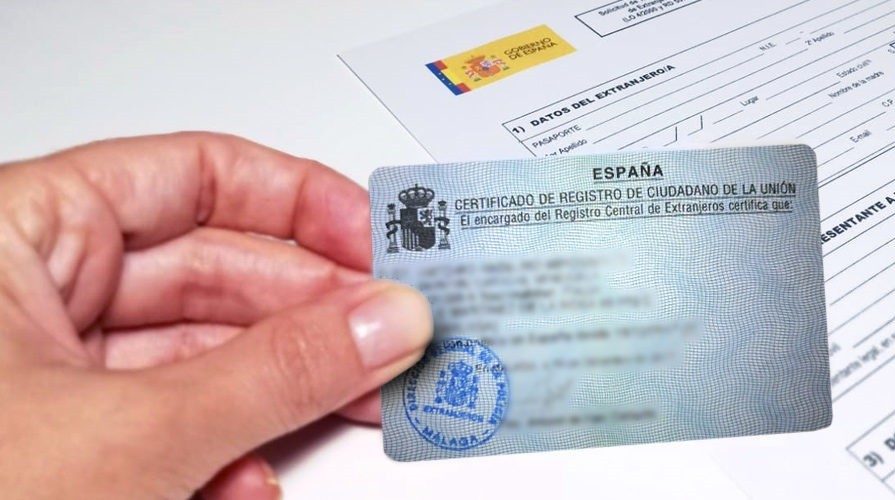
An NIE (Número de Identificación de Extranjero) is the tax identification number every foreigner needs to buy property, open a Spanish bank account, or pay taxes in Spain, and you cannot complete a purchase without one. There are three ways to get one: at a Spanish consulate in your home country, in person at a police station in Spain, or through a lawyer holding power of attorney, the only route that doesn’t require a second trip to Spain.
What the NIE actually is
NIE stands for Número de Identidad de Extranjero, the foreigner identification number. It’s not a residence permit, it doesn’t change your tax residency, and it doesn’t oblige you to spend a single extra day in Spain. It’s simply the number the Spanish state uses to identify you in any official or financial matter: buying property, paying the taxes on that purchase, opening a bank account, connecting utilities, filing the annual non-resident return that comes with owning a home here.
Without it, the purchase can’t complete. The notary needs your NIE on the deed and the tax office needs it to process the transfer taxes. Which is why the golden rule is: sort the NIE early, in parallel with the property search, never in the final week before completion.
The three ways to get one
In person in Spain. You apply at a designated police station, with an appointment booked in advance, your passport, the application form and a small administrative fee paid at a bank. The process itself is quick; the appointment system is the bottleneck, and availability varies a lot by town and season. If you’re planning a viewing trip, it can sometimes be woven in, but appointment scarcity makes this less reliable than it sounds.
Through a Spanish consulate at home. Consulates in your own country accept NIE applications too. It works, but processing routinely takes weeks and consular appointment calendars have their own queues. For buyers not in a hurry, it’s a reasonable route. For buyers mid-purchase, it’s usually too slow.
Through a power of attorney, without you. This is the route most of our international clients end up using, because it folds into the purchase itself. If you grant your lawyer a power of attorney, something typically signed in half an hour at a notary during your viewing trip, they can apply for and collect your NIE on your behalf after you’ve flown home, along with opening the bank account and handling the rest of the transaction. One trip, one signature, and the bureaucracy happens without you.
Timing and practicalities
A few things worth knowing before you start. The NIE number itself, once issued, is yours permanently; the paper certificate it arrives on has a validity period for some uses, but the number doesn’t expire. Both buyers need one if you’re purchasing in joint names, a detail couples regularly discover late. And the NIE is a prerequisite for almost everything else, so its position in the sequence matters: structure decision first, NIE and paperwork in motion next, then the search, so that when you find the right property nothing administrative is standing between you and the reservation.
If you’re buying with a mortgage, the bank will want your NIE before the loan can be formalised, which pulls the deadline even earlier. Cash buyers have slightly more slack, but not much: due diligence takes three to four weeks, and the NIE should be resolved comfortably within that window.
Where it fits in the bigger picture
The NIE is step one of a sequence we’ve mapped end to end in our guide to how buying property in Spain actually works. The short version: the Spanish system is built so that a foreign buyer can execute almost the entire purchase without being in the country, and the NIE plus a power of attorney are the two keys that unlock that. Get them handled on your first trip and everything after happens on schedule while you’re at home.
And if the paperwork is the price of admission, the reward is the part worth focusing on: finding the right home in the right area, whether that’s a golf apartment in Atalaya, a family villa in Cancelada or something newer from the coast’s current new developments. We handle the introductions to the professionals who make the administrative side disappear; the choosing, happily, stays yours.
Once your NIE is sorted, the rest of the paperwork can often be handled without a second trip at all — a power of attorney lets you complete the purchase remotely.
Questions people are asking
What is an NIE number in Spain?
It’s the Número de Identidad de Extranjero, the tax identification number every foreigner needs to buy property, open a bank account or pay taxes in Spain. It is not a residence permit and doesn’t affect your tax residency.
How do I get an NIE number?
Three ways: in person at a Spanish police station, through a Spanish consulate in your home country, or through a lawyer holding power of attorney, which is the only route that doesn’t require you to be there.
Does the NIE number expire?
The number itself is yours permanently once issued. The paper certificate it arrives on has a validity period for some uses, but the underlying number never expires.
Do both buyers need an NIE if purchasing jointly?
Yes. Every person named on the deed needs their own NIE, a detail couples buying together often discover later than they should.
How long does it take to get an NIE?
Through a consulate, routinely weeks. In person in Spain, the process itself is quick but appointment availability is the bottleneck. Through power of attorney, it happens in parallel with the rest of the purchase without you needing to be present.
When in the buying process should I get my NIE?
As early as possible, in parallel with the property search rather than the final week before completion. The notary needs it on the deed and the tax office needs it to process the transfer taxes.
 English
 Spanish
 Dutch
Dutch French
 Polish
 Swedish
 German