
 ES
ES NL
NL FR
FR PL
PL SV
SV DE
DE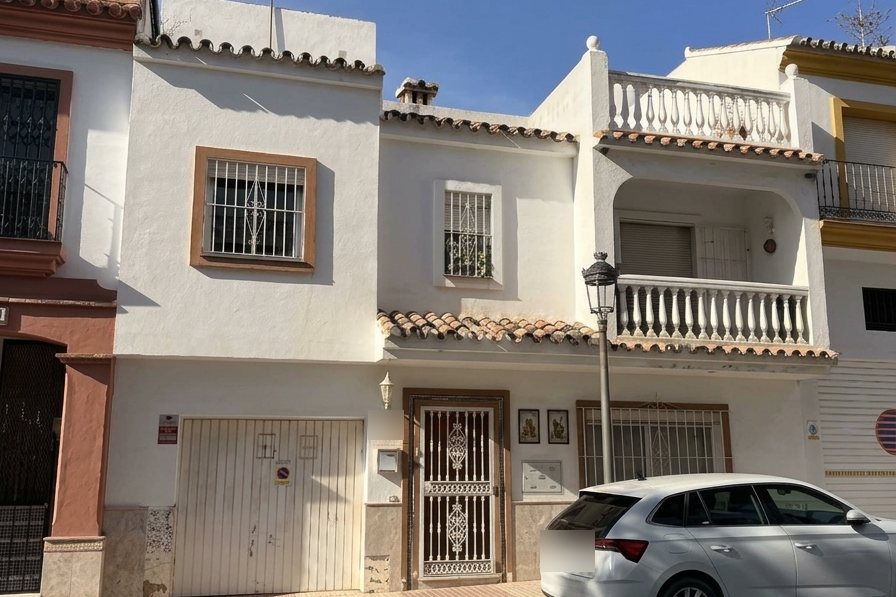
If you inherit a property in Spain, you inherit everything that comes with it: the mortgage, the tax bills and whoever is living there. Through Santina Property Solutions, we helped an owner in France who inherited a townhouse in Cancelada, Estepona, with all three problems at once. This is what the situation looked like, why the obvious routes would not have worked, and how everyone involved came out of it better off in about six months.
The case in short
- Property: a townhouse in Cancelada, Estepona
- Owner: living in France, inherited the house from their father
- What came with it: a mortgage unpaid for years, tax arrears, a tenant who had paid no rent in ten years, and between 5 and 12 people renting rooms from him without the owner’s knowledge
- People involved: the owner, the bank, the tenant, the people in the rooms and several lawyers, with Santina Property Solutions coordinating all of them
- How it ended: everyone left by agreement, Santina Homes sold the house, and both the bank and the owner got money back, all within about six months (November 2025 to April 2026)
What the owner inherited
When their father died, the owner was living in France. They inherited a townhouse in Cancelada, and with it a set of problems that had been growing quietly for years.
A mortgage nobody had paid
The father’s mortgage had not been paid in a very long time. In Spain, an heir who accepts an inheritance takes on its debts, and the mortgage stays registered against the house whoever owns it. Left alone, the bank’s next step is repossession: a foreclosure (ejecución hipotecaria) that ends with the house on the official BOE property auction portal.
Tax bills already running
Inheritance tax in Spain has to be filed within six months of the death, and so does the municipal plusvalía, the town hall’s tax on the rise in land value. Miss those dates and surcharges start at 1% plus 1% for every full month, reaching 15% plus interest after a year (General Tax Law, article 27). On top of that, unpaid IBI (the yearly council tax on the property) stays attached to the house itself. So the owner was behind with the tax authorities almost from the day they inherited.
A tenant who had stopped paying
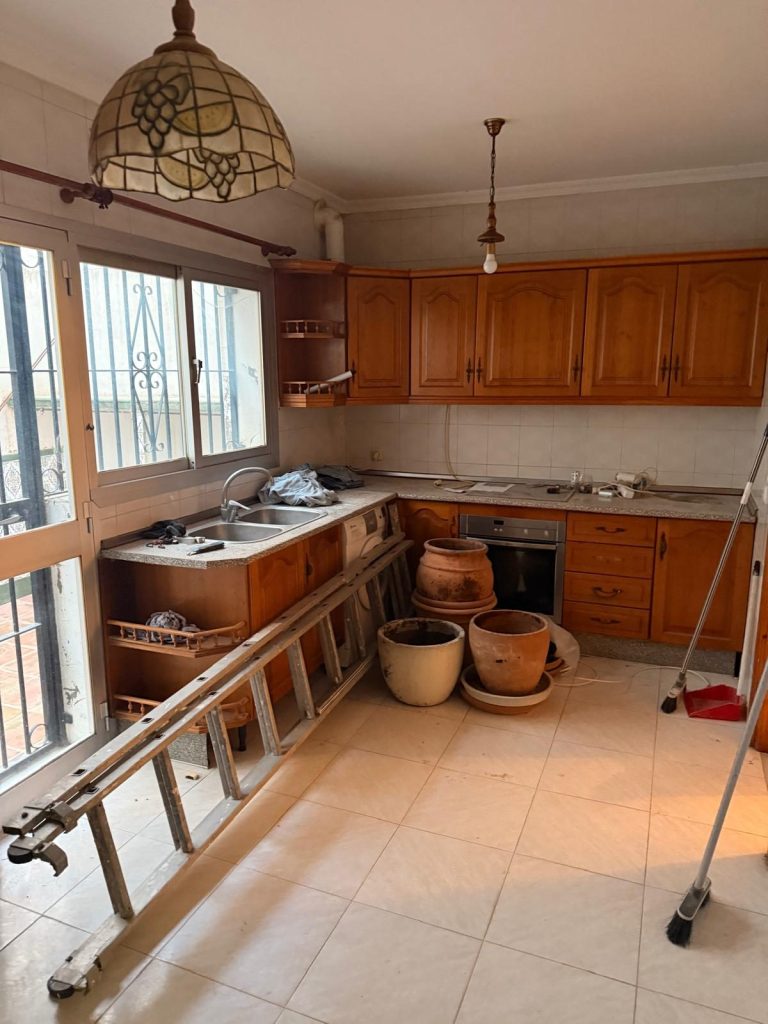
An elderly man had rented the house from the father years earlier and was still living there. He had not paid rent in ten years. In Spain this is what people call an inquiokupa: someone who came in with a proper tenancy, stopped paying and stayed. When a landlord dies, the tenancy carries on and the heir becomes the new landlord. The owner had, in effect, inherited the tenant along with the house.
Okupas in the spare rooms
The tenant had been letting rooms to between 5 and 12 people at a time. Spanish tenancy law says a tenant can only sublet with the landlord’s written consent, and subletting without it is grounds to end the tenancy (Urban Leases Act, articles 8 and 27). The people in those rooms had no agreement with the owner at all. Most people would call them squatters, or okupas, though legally their position was different from someone who breaks into an empty house.
Why the obvious routes would not have worked
Every one of these problems has a standard legal answer. The trouble was that there were four of them, tangled together, and taking them one by one would have meant years of cost with a poor result at the end.
Going to court against the tenant
An eviction for unpaid rent (desahucio por falta de pago) is the normal route. But rent claims in Spain expire after five years (Civil Code, article 1966), so of the ten years he owed, only the last five could even be claimed. And an elderly man with no income was never going to pay that judgment.
It would also have been slow. When the person living in a home may be vulnerable, the court has to bring in social services before an eviction goes ahead, and since 2020 Spain has repeatedly suspended evictions of vulnerable households by emergency decree. The people in the rooms would have needed separate proceedings on top.
Calling in a desokupa company
A lot of people’s first thought, when they hear the word okupa, is to call one of the private “desokupa” companies. We understand why. But these companies have no legal power to remove anyone. And since April 2025, Spain’s fast-track criminal procedure for squatting is aimed at people who break into a property, which is a different situation from a tenant who let people in. Here there was an elderly man who had lived in the house for years and a group of people renting rooms from him. Pressure was never going to be the right tool, and it could easily have made things worse for the owner.
Letting the bank repossess it
If the bank had foreclosed, the house would have gone to auction occupied. Occupied properties get few bidders and low offers. If nobody bids on a house that is not the owner’s main home, the bank can keep it for 50% of its valuation (Civil Procedure Act, article 671). Any debt left over after that stays with the heir.
Selling it as it was
You can sell an occupied, mortgaged house with a non-paying tenant. The only buyers are investors who price in years of legal work and risk. Once the bank was paid at that price, there would have been little or nothing left for the owner.
What Santina Property Solutions did
Santina Property Solutions is the part of our family business that deals with properties which cannot simply be listed and sold: mortgage debt, occupation, blocked inheritances and missing heirs. This case had three of those four. We took on the case and became the one point of contact for everybody: the owner in France, the bank, the tenant and the people living in the rooms. That sounds simple, but in a case like this it is most of the work. Everyone has their own lawyer and their own reasons to wait, and nothing moves while each side waits for the other.
With the owner. We worked with them in France throughout. For an heir abroad, the inheritance paperwork, the tax filings and the sale can all be signed through a power of attorney, either at a Spanish consulate or in front of a local notary with an apostille.
With the bank. The bank had not been paid in years and had more or less written the case off. What we put to them was simple arithmetic: selling an empty house on the open market would bring in far more than auctioning an occupied one.
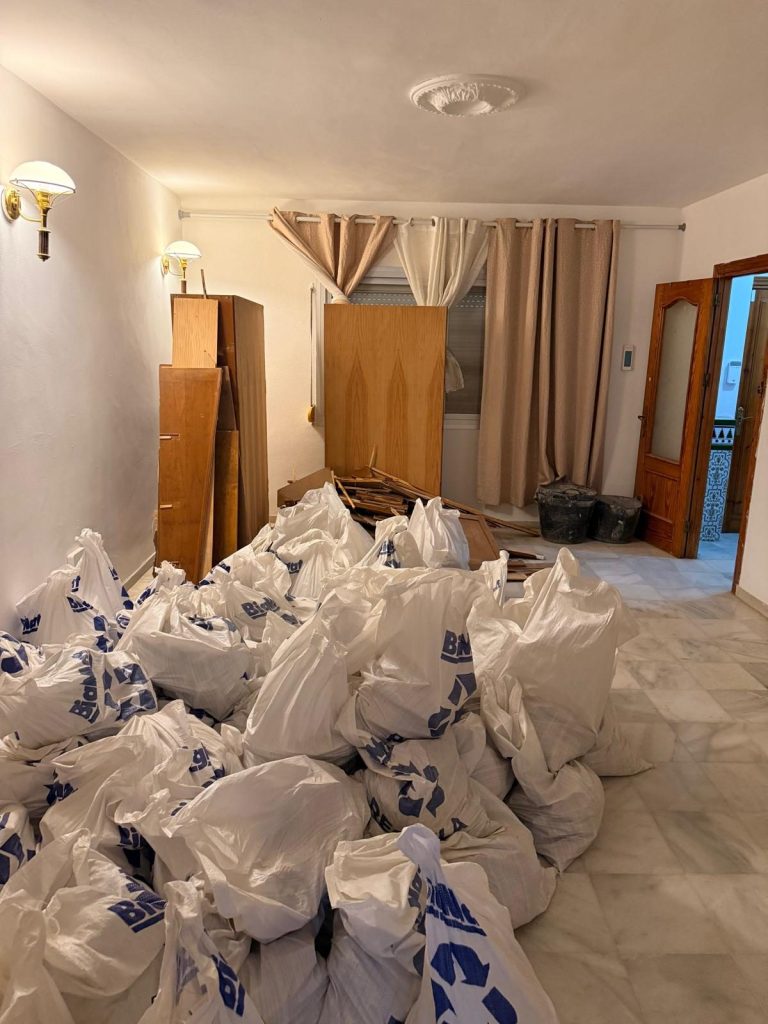
With the tenant and the people in the rooms. We sat down and talked to them. The tenant and the occupants each reached a monetary agreement to leave. Agreements like this are put in writing, and the money is normally paid when the keys are handed back, so nobody has to take anyone else’s word for it. Everyone left with money in their pocket, without a court order or anyone being thrown out.
With the lawyers. Several lawyers were involved, and from the day we took on the case to the completed sale took about six months, November 2025 to April 2026. Compare that with the years any one of the court routes above would have taken. Our job was to make all the agreements line up, because each one depended on the others. A buyer will not complete while the house is occupied, and nobody moves out until they know the money is really there.
How the sale worked
Once the house was empty, Santina Homes put it on the market like any other resale in Estepona. In the end, the buyer was a member of the Santina family. At the notary, the bank was paid out of the sale price and the mortgage was cancelled, so the buyer received the house free of debts. What was left went to the owner.
One detail worth knowing if you sell from abroad: because the owner lives outside Spain, the buyer has to hold back 3% of the price and pay it to the Spanish tax agency on the seller’s behalf (form 211). It counts towards the seller’s capital gains tax. For an inherited house, that gain is worked out from the value declared in the inheritance, not from what the father originally paid.
How it ended
- The bank got money back on a loan it thought it had lost.
- The owner, who had inherited nothing but debts and problems, received money from the sale.
- The tenant and the people in the rooms left by agreement, with money to start again, and nobody was forced out.
- The house is back in use, fully refurbished, with Santina Property Solutions managing the work.
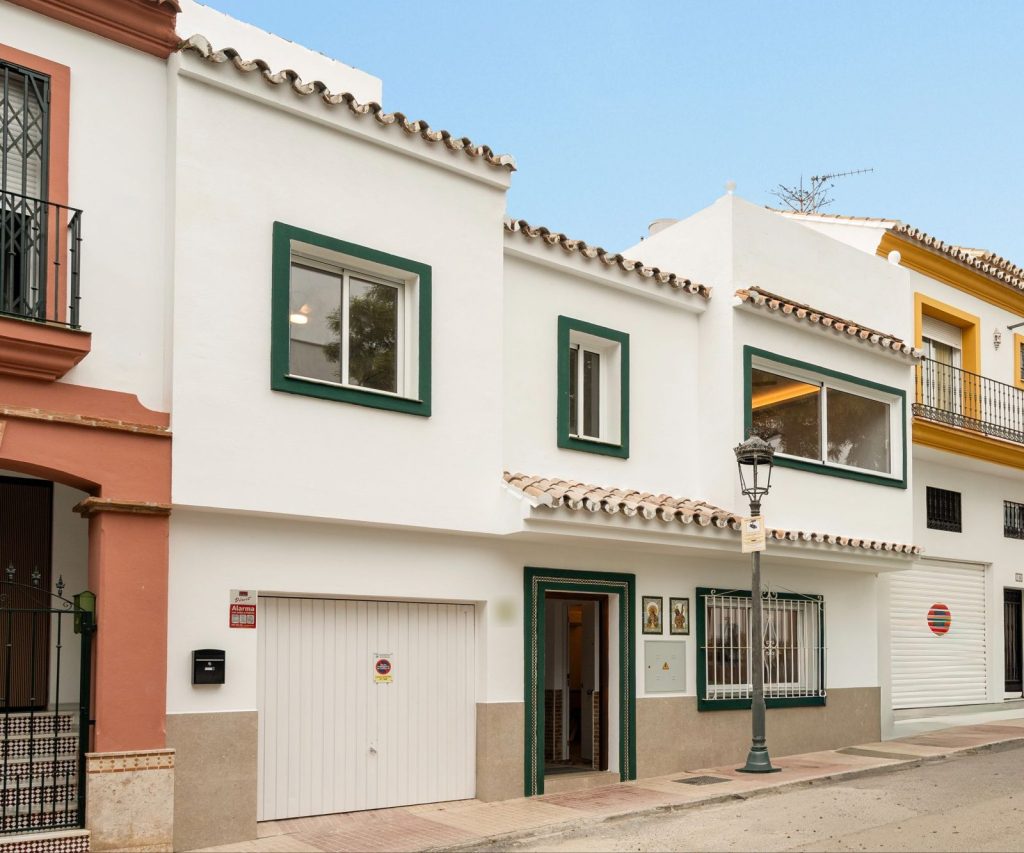
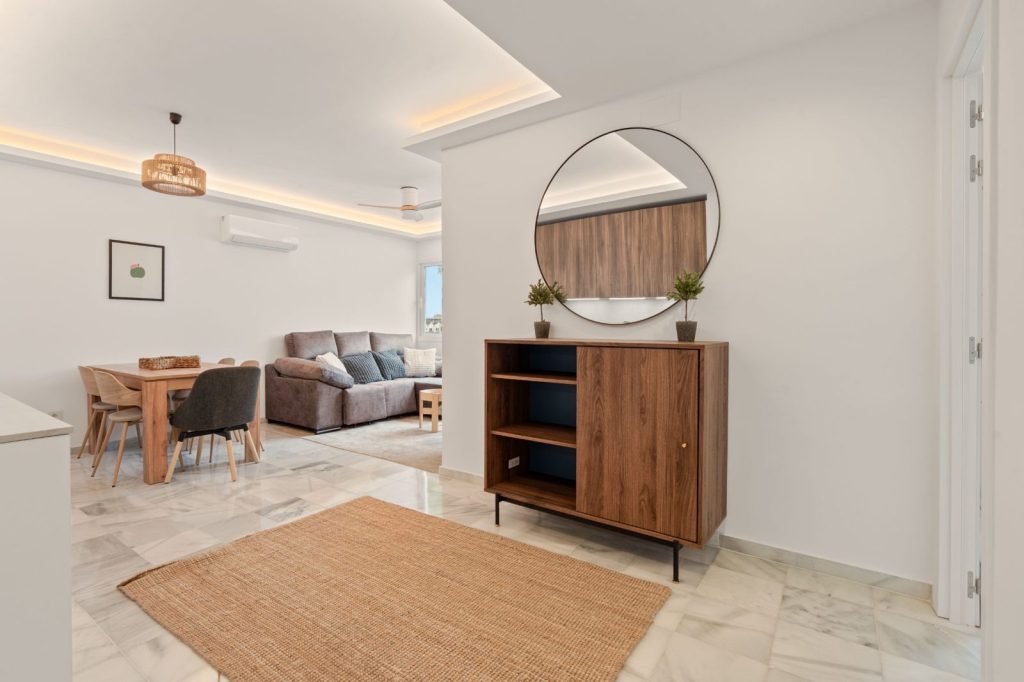
This is what Santina Property Solutions is for: preserving or recovering the value of a property once the underlying problem has been resolved.
If you have inherited a house with problems in Spain
- Find out what you are inheriting before you accept. A nota simple from the Land Registry shows every mortgage and charge on the property. Ask the bank for the outstanding balance and the town hall for any unpaid IBI.
- Think about how you accept. Accepting a beneficio de inventario means you can never owe more than the inheritance is worth (Civil Code, article 1023). You can also turn the inheritance down completely.
- Keep an eye on the six-month deadlines. Inheritance tax and plusvalía both count from the date of death. Inheritance tax can be extended by six months if you ask within the first five; plusvalía can be extended to a year if you ask within the first six.
- Read the tenancy contract. When it was signed decides which tenancy law applies and how much protection the tenant has.
- Talk to the bank before an auction date is set. Once a repossession reaches auction, there is much less room to agree anything.
- You do not have to be in Spain. Most of it can be done through a power of attorney.
Inherited a house you cannot move forward?
If you have inherited a property on the Costa del Sol with debts, a tenant who will not pay or people living in it who should not be, get in touch with Santina Property Solutions. The first conversation is free and confidential, and there is no obligation.
Related reading: What it costs to sell a property in Spain and In Spain, the notary is a witness, not your protector.
Frequently Asked Questions
Do I inherit the debts on a property in Spain?
Yes. Accepting an inheritance means accepting its debts, including an unpaid mortgage and taxes. If you accept a beneficio de inventario, you can never owe more than the inheritance is worth, and you can also refuse the inheritance altogether. Decide this before you sign the acceptance deed.
What is the difference between an okupa and an inquiokupa?
An okupa is a squatter: someone living in a property with no right to be there, often after getting in while it was empty. An inquiokupa is a tenant who moved in with a legal rental contract, stopped paying rent and stayed on. Legally an inquiokupa is still a tenant, so the route is an eviction for unpaid rent, not the procedures used for squatters. This case had both.
Does a tenancy end when the landlord dies in Spain?
No. The heir becomes the new landlord under the same contract. If the tenant has stopped paying or is subletting without permission, the heir has the same grounds to end the tenancy as the original landlord.
How much unpaid rent can I claim in Spain?
Rent claims expire after five years under article 1966 of the Civil Code. Anything older than that generally cannot be recovered, however long the tenant has not paid.
Should I use a desokupa company to remove squatters?
These companies have no legal power to remove anyone, and using pressure can backfire on the owner. The lasting routes are the courts or a written agreement with the occupants. In our experience an agreement is usually faster, cheaper and kinder to everyone involved.
Can I sell an inherited property in Spain if someone is living in it?
You can, but the buyers will be investors who discount the price for the time and cost of getting the house back. Sorting out the occupation first, ideally by agreement, is what brings the price back to market value.
What happens if the mortgage on an inherited house has not been paid?
The bank can repossess it and send it to auction. If the auction does not cover the debt, what is left over stays with the heir. Agreeing a sale with the bank before the auction usually gets more back for both sides. You can read more about our help with mortgage problems and auctions.
 English
 Spanish
 Dutch
Dutch French
 Polish
 Swedish
 German