
 ES
ES NL
NL FR
FR PL
PL SV
SV DE
DETwo things changed in Gibraltar on July 14th: the EU and UK signed a treaty removing the land border with La Línea, applying provisionally from the next day, and Gibraltar brought its new Residency Regulations into force, the strictest rules the Rock has published in years. For anyone who owns property on the western Costa del Sol, or is thinking about it, the effect is direct: crossing for work just became frictionless, while living in Gibraltar itself got harder and considerably more expensive.
That combination pushes the rational move further toward the Spanish side of the border, for anyone who works in Gibraltar or does business there: live in Spain, in towns like La Línea, Sotogrande, Manilva, Casares and Estepona, and cross without a queue.
What changed this week
The treaty was signed in Brussels on July 14th and applies provisionally from the first second of July 15th, while the EU and UK complete ratification. From that moment there are no routine checks at the land crossing. The physical controls move to Gibraltar’s airport and port, where Spanish National Police will run Schengen entry checks alongside Gibraltar’s own border agents.
For the roughly 15,000 people who cross that border every day for work, the queue is simply gone. Living in Spain and working in Gibraltar, already common, just became frictionless.
Gibraltar’s door: open border, higher bar
At the same time, Gibraltar published its Residency Regulations 2026 in the Gazette as Legal Notice 166, in force from July 14th. The headline points:
Workers need a qualifying employment contract paying at least Gibraltar’s average gross salary, currently 37,500 pounds a year, with some flexibility for applicants under 30 and for sectors with a proven skills shortage. Wealthy individuals applying under the Category 2 regime now need a net worth of at least 5 million pounds, up from 2 million. And every residency route requires owning or leasing a home in Gibraltar for a minimum of 12 months, for exclusive, primary use. Holiday lets, short term rentals, shared housing and subletting are all explicitly ruled out. Existing Gibraltar ID card holders are exempt.
Chief Minister Fabian Picardo put it plainly: “We will not apologise for putting Gibraltar first.”
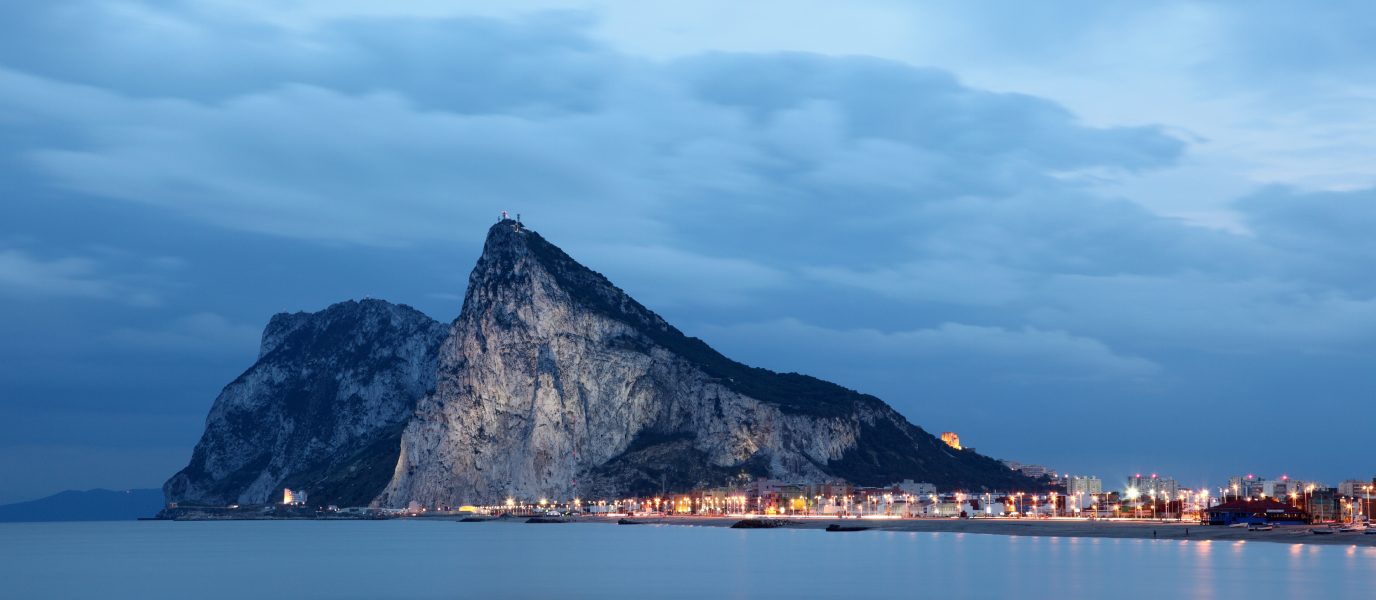
Why this matters on this side of the fence
Here’s the practical effect. Gibraltar has some of the scarcest and most expensive housing in the region, and its residency rules just got tougher and pricier. The border, meanwhile, is now open. So the rational move for anyone who works in Gibraltar, or does business there, is to live in Spain. More space, better value, and from this week, no queue.
The market saw this coming. La Línea, the town right against the old fence, has been booming for over a year, with local reports putting price growth at roughly a third year on year. That wave doesn’t stop at La Línea. It runs up the coast through Alcaidesa and Sotogrande and into Manilva, Casares and Estepona.
Sotogrande is the one to watch at the premium end. It has always been the natural home for Gibraltar money that wants villas, golf and a marina within a short drive of the office. With the crossing now taking minutes instead of an unpredictable hour, that commute calculation changes for good.
The fine print
A few honest caveats. The treaty changes nothing about buying property in Spain. Conveyancing, taxes and ownership rules on this side are exactly as they were. And anyone planning to live here while working on the Rock should take proper advice on tax residency, because spending more than 183 days a year in Spain generally makes you a Spanish tax resident, open border or not.
It’s also worth remembering the treaty applies provisionally while ratification completes, and Gibraltar has kept the right to put the arrangement to a referendum in the future. Nobody expects a reversal, but grown-up buyers plan on facts, not vibes.
Our take
For years, the border queue acted as a quiet discount on Spanish property near Gibraltar. You accepted the crossing in exchange for value. That discount started closing the day the treaty was agreed, and this week it effectively ended. If Sotogrande, Manilva or Casares were already on your list, the market now has one more reason to move before you do.
Sotogrande, just up the coast from the border, is having its own moment — why year-round living is the new story there — and its marina recently ranked as Spain’s fifth largest.
Questions people are asking
Is the Gibraltar-Spain border open now?
Yes. The EU-UK treaty signed on July 14th removed routine checks at the land crossing with La Línea, applying provisionally from the following day. Physical controls moved to Gibraltar’s airport and port instead.
Has it become harder to live in Gibraltar itself?
Yes. Gibraltar’s Residency Regulations 2026, in force from the same date, raised the bar considerably: a higher salary threshold for work permits, a net worth requirement of 5 million pounds for the Category 2 regime, and mandatory 12-month home ownership or lease for exclusive primary use.
Do I become a Spanish tax resident if I live in Spain and work in Gibraltar?
Generally yes, if you spend more than 183 days a year in Spain, regardless of where you work. Anyone in this position should take proper tax residency advice.
Which Spanish towns are seeing demand from the open border?
La Línea has been booming for over a year, with the wave extending up the coast through Alcaidesa and Sotogrande into Manilva, Casares and Estepona.
Does the border treaty change how I buy property in Spain?
No. Conveyancing, taxes and ownership rules on the Spanish side are unchanged by the treaty.
Is the border treaty permanent?
It applies provisionally while formal ratification completes, and Gibraltar has kept the right to put the arrangement to a future referendum, though a reversal isn’t currently expected.
 English
 Spanish
 Dutch
Dutch French
 Polish
 Swedish
 German