
 ES
ES NL
NL FR
FR PL
PL SV
SV DE
DE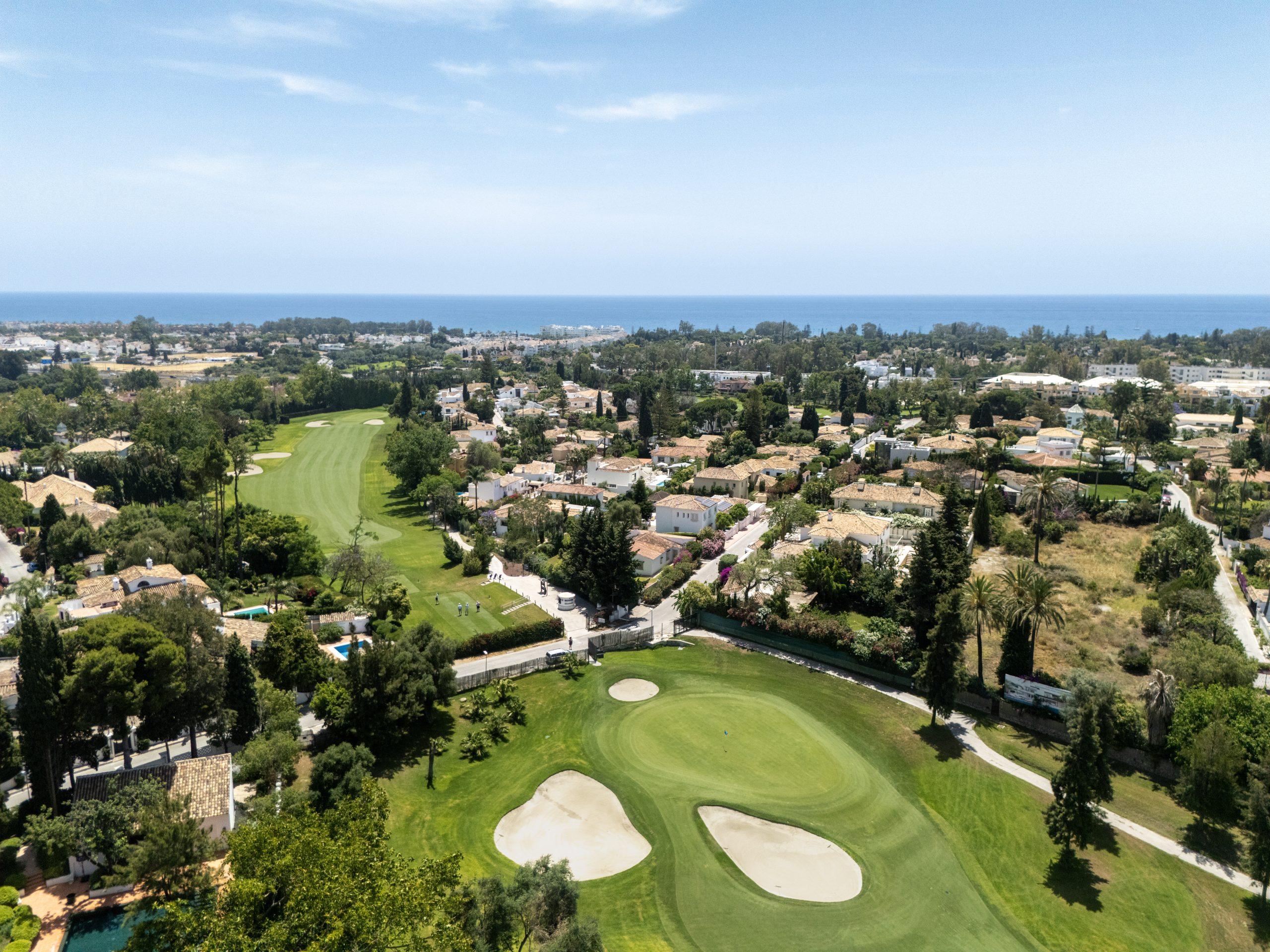
Spain’s coast is not one property market with the rest of the country, it’s a separate one. National coverage treats Spain’s housing market as a single story, prices up, supply short, everyone priced out, but the country is actually at least three property markets wearing one name, moving in different directions at different speeds: the big cities, driven by domestic wages and demand; the emptying interior, where prices sit flat or fall; and the coast, which runs on international lifestyle demand and cash buyers. Knowing which of those three you’re actually buying into matters more than any national statistic.
This is the geography of it, three different Spains moving at three different speeds. For the mid-2026 numbers specifically on this coast, see our mid-year Marbella outlook. For the bubble question everyone asks, see why this boom isn’t a bubble.
Market one: the big cities
Madrid, Barcelona, Valencia and Malaga run on domestic demand. Young Spaniards keep leaving smaller towns for the cities where the jobs are, and the housing stock hasn’t remotely kept pace. The result is the fiercest price pressure in the country: Madrid rose around 14 percent in 2025, with some quarterly readings approaching 20. This is the market Spanish politics argues about, the one behind the headlines about locals being priced out, and it has almost nothing to do with buying a villa on the coast.
Market two: the emptying interior
Drive two hours inland and you find the mirror image. Large stretches of interior Spain, what Spaniards call the España vaciada, the emptied Spain, are losing population year after year as young people leave. Demand is thin and prices show it: Ciudad Real province averages around 800 euros per square metre, Jaén not much more. Homes there can cost less than a parking space in Marbella, and they are not bargains in any investment sense, because the demographic tide is still going out.
Those two markets in one country explain why national averages are nearly useless. A figure like “Spanish prices rose 12.7 percent in 2025” blends a Madrid boom, an interior decline and everything in between into a number that describes nowhere in particular.
Market three: the coast, running on a different engine
Then there’s the strip we work in. The Costa del Sol doesn’t run on Spanish wages, Spanish mortgages or Spanish demographics. It runs on international lifestyle demand: British, German, Dutch and Scandinavian buyers, increasingly joined by Americans and Poles, buying for sun, golf, schools and, more than anything, quality of life. A large share of these purchases are made in cash, which is why rising interest rates cooled this market far less than the domestic one.
The numbers reflect it. Marbella asking prices reached roughly 6,260 euros per square metre in early 2026, up around 8.6 percent in a year, and the pattern repeats at different price points along the coast, from Nueva Andalucía to Seghers in Estepona and down to Sotogrande Costa. What these places share isn’t a price bracket. It’s a buyer pool that is global, wealthy and structurally growing, competing for a coastline that cannot get any longer.
Why the distinction matters for you
First, it means national headlines are the wrong lens. Policy debates about city rents or interior depopulation tell you very little about what a frontline golf apartment in Estepona will be worth in five years. The coast has its own supply constraints, its own demand curve and its own cycle.
Second, it explains the coast’s resilience. In the scenarios where domestic markets wobble, weaker wage growth, tighter credit, the international cash buyer is largely insulated. That’s not a guarantee of anything, but it is a genuinely different risk profile, and it’s a large part of why we argued in our recent piece that this boom isn’t a bubble.
Third, it sharpens the real question. Within the coastal market, the spread between the best areas and the merely decent ones keeps widening. Picking the right micro-area, the right street, the right kind of scarcity, whether that’s frontline golf or a village house with a sea view, is where the work is. That’s a much better use of a buyer’s attention than watching national indices that describe a country they’re not really buying into.
That two-speed market shows up in the numbers when you sell, too — here’s the break-even number worth working out before you do. It’s not the only shift in motion — Spain’s new housing decree is reshaping the picture from Madrid.
Questions people are asking
Is Spain’s property market one national market?
No. It’s at least three separate markets: the big cities driven by domestic wages and demand, the emptying interior with flat or falling prices, and the coast, which runs on international lifestyle demand and cash buyers.
Why do national Spanish house price statistics not apply to the Costa del Sol?
National averages blend a Madrid boom, an interior decline, and coastal growth driven by a completely different buyer pool into one number that describes nowhere in particular.
What drives property demand on the Costa del Sol specifically?
International buyers, British, German, Dutch, Scandinavian, American and Polish, purchasing for lifestyle, sun, golf and schools rather than Spanish wages or mortgages. A large share of these purchases are made in cash.
Did rising interest rates cool the Costa del Sol property market?
Far less than the domestic Spanish market, because such a large share of coastal buyers pay in cash rather than relying on mortgage financing.
How much did Marbella property prices rise in early 2026?
Asking prices reached roughly 6,260 euros per square metre, up around 8.6 percent year on year.
 English
 Spanish
 Dutch
Dutch French
 Polish
 Swedish
 German