
 ES
 NL
 FR
 PL
 SV
 DE
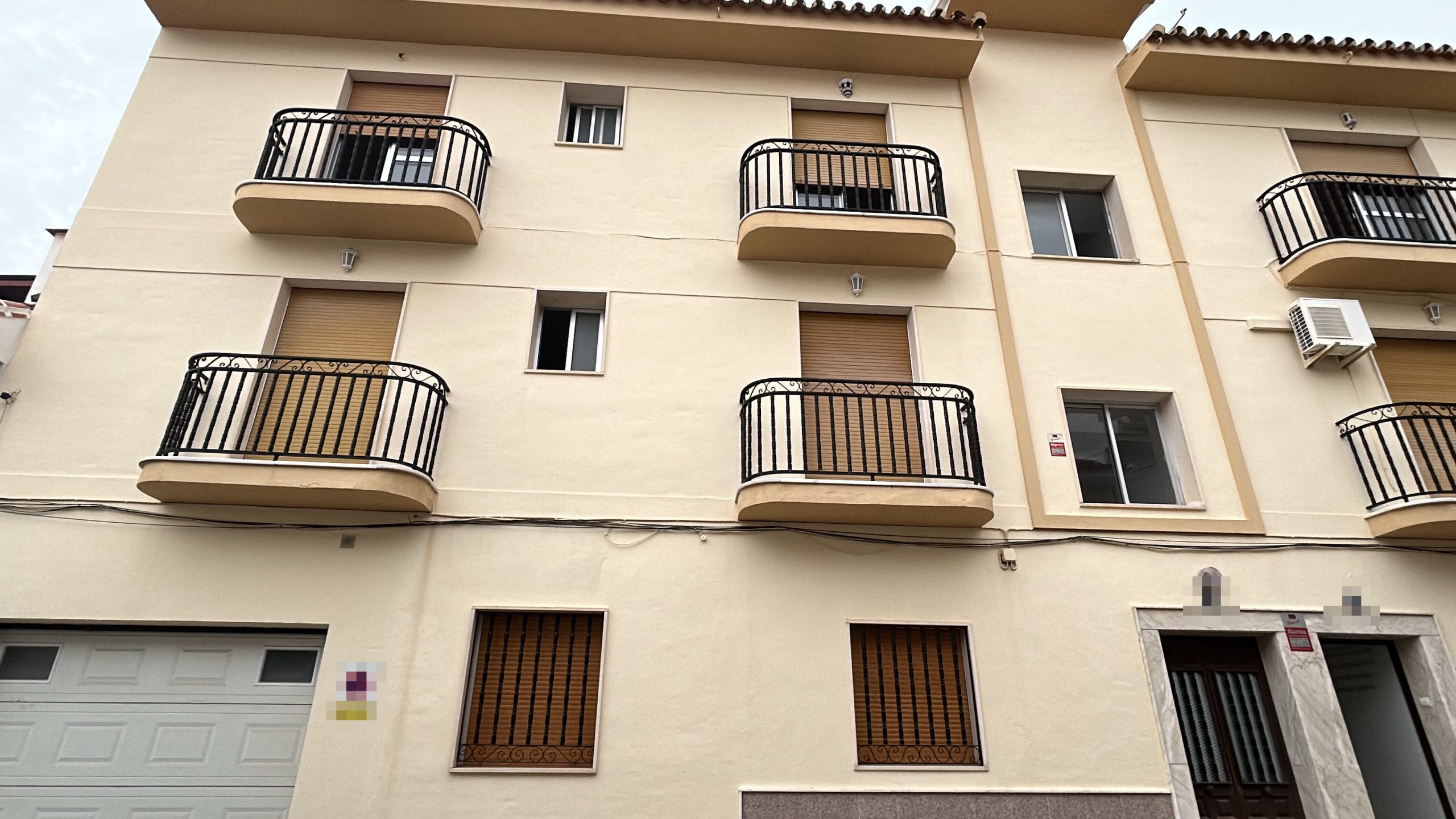
If you have inherited a property in Spain that you do not want, walking away is harder than it sounds. The mortgage stays on the property, the bank can force you to decide within 30 days, and an empty home draws squatters. This is a case Santina Property Solutions handled this year in Alhaurín de la Torre: a penthouse nobody wanted, heirs living abroad, a mortgage nobody was paying, and a deal that left every side better off than they expected.
The case in short
- The property: a three-bedroom penthouse in Alhaurín de la Torre, Málaga, empty for a long time.
- The problems: the owner had died, the mortgage had stopped being paid, the heirs lived abroad and wanted nothing to do with it, and squatters had broken into the building three times.
- People involved: the heirs abroad, their relatives in Málaga, the bank, the local man guarding the building and an investor, with Santina Property Solutions coordinating all of them.
- What Santina Property Solutions did: traced the heirs through relatives in a nearby town, worked with the bank and with the local man guarding the building, and put the whole thing into one deal with an investor.
- The result: the bank accepted a settlement and was paid, everyone who helped was paid, and the heirs came out with money. Just over four months.
What the heirs had inherited
The owner had bought the penthouse along with a second property in Alicante, both with mortgages from the same bank. When the owner died, the payments stopped.
The people in line to inherit lived abroad. They did not have the money to keep two mortgages going, and they did not want anything to do with either property. So nothing happened. Nobody accepted the inheritance, nobody turned it down, nobody sold. The penthouse sat empty.
A mortgage that kept growing
A Spanish mortgage stays registered against the property, whoever ends up owning it. The owner’s death does not cancel it. Every missed payment added to the debt, and the bank’s next step, left alone, would have been repossession.
Squatters at the door
An empty flat gets noticed. Squatters got into the building three times. They never got into the penthouse, and that was down to one man: a local from Alhaurín who had built the block in the first place. He did not want okupas in his building, so he fitted new locks and alarms, kept an eye on the place and did the maintenance while he waited for someone to turn up and take responsibility for it. For more on what happens once squatters are inside, see our page on occupied properties and squatters.
Why walking away does not work in Spain
Plenty of heirs abroad assume that if they ignore a Spanish inheritance, it goes away. It does not, and each of the obvious ways out has a catch.
Ignoring it
Anyone with an interest in the inheritance, and a bank that is owed money has one, can go to a notary and have the heir told they have 30 calendar days to decide (Civil Code, article 1005). The heir can accept, accept with a beneficio de inventario, or renounce. If they say nothing, the law treats the inheritance as accepted outright. An heir who accepts outright answers for the debts of the estate with their own money as well as the property (article 1003).
Renouncing
Turning the inheritance down is done in a deed before a notary (article 1008). It frees the heir from the debts, but they get nothing, and the problem does not leave the family. The mortgage stays on the property and the inheritance passes to whoever is next in line, who then faces the same choice. If an heir dies without ever deciding, the right to accept or renounce passes to their own heirs (article 1006).
Letting the bank repossess
The bank forecloses and the property goes to auction on the official BOE portal. If the auction price does not cover the debt, the shortfall is still owed, by the estate and by any heir who has accepted it outright. We explain how auction prices are set in our guide to dación en pago and selling before the subasta.
Selling it themselves
To sell, the heirs first have to accept the inheritance, get an NIE each, file the inheritance tax and the plusvalía, and register the property in their names, all from abroad. The mortgage then has to be cleared out of the sale price. Our guide to inheritance tax in Andalucía goes through each step. For heirs with no money and no interest in the property, it was a lot of work for something they wanted to forget.
What Santina Property Solutions did
We started with the bank, to find out what was owed on both properties. Then we went looking for the heirs.
Getting into the building
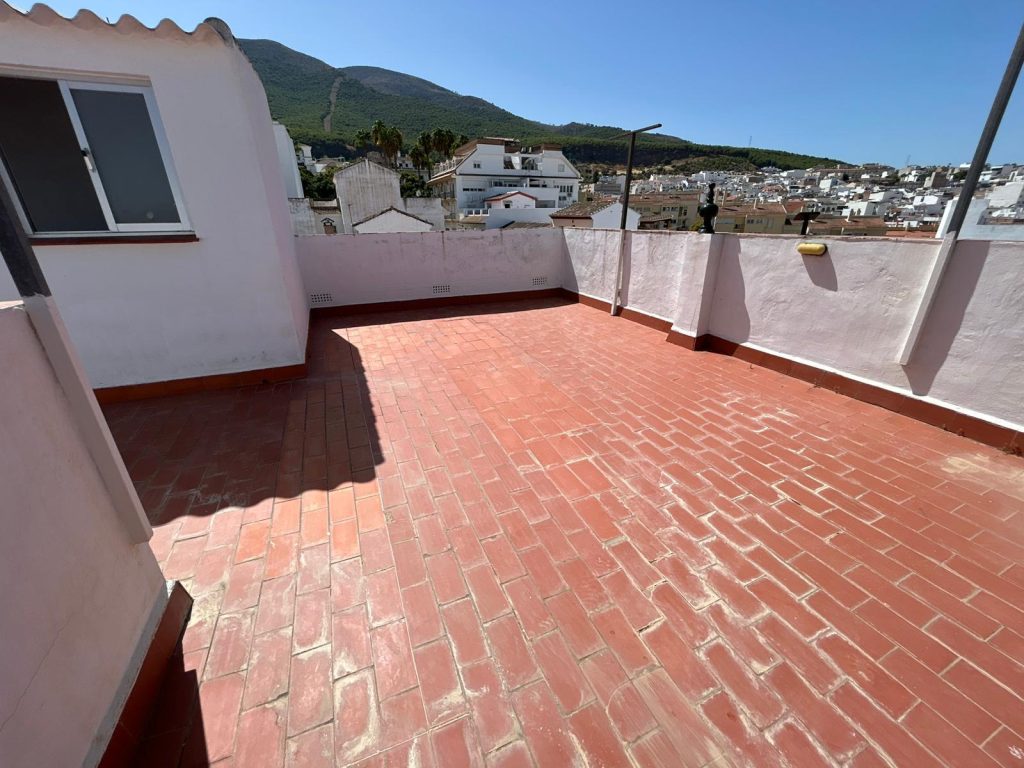
The man who built the block was the one person who had been looking after the penthouse. He gave us access to the building and the flat, which meant we could see what condition it was in and what it would take to sell.
Finding the heirs
We found relatives of the heirs living in a town near Alhaurín, in the province of Málaga. Through them we got in touch with the heirs abroad. This is the part of the work we call heir tracing: finding the people who are entitled to a property, and then finding a way to talk to them.
Getting the heirs to trust it
The heirs did not believe it at first. They had written the property off. An offer that cleared the debt and paid them as well sounded too good to be true. The relatives helped us there. They stayed in the middle of the conversations until the heirs were ready to go ahead.
How the deal worked
It was a three-way deal. An investor Santina works with bought both properties: the Alhaurín penthouse, and the Alicante property, which still had a squatter living in it. Both properties were in the same deal, so the bank’s whole position was settled at once.
- The bank accepted less than it was owed, and both mortgages were paid off.
- The relative who found the heirs and helped mediate was paid for that work.
- The builder was paid for keeping the property safe and for the maintenance he had done while waiting for the heirs.
- The heirs, who thought everything was lost, came out with money.
Nobody went to court and nobody was forced into anything. Michael ran the case with Mickey.
How it ended
It took just over four months from our first conversation with the bank to the deal closing.
The penthouse is back on the market through a local agency we work with in Alhaurín. A buyer has already signed the reservation and the sale is due to complete in the next few days.
The Alicante property is still a work in progress. The squatter is still there, and we are working on getting it back for the investor. Our guide to inquiokupas and getting a property back explains how that process works in Spain.
If you have inherited a property in Spain you do not want
- Do not ignore it. The bank can start the 30-day clock at a notary, and saying nothing counts as accepting everything, debts included.
- Find out what is on it. A nota simple from the Land Registry shows every mortgage and charge. The bank can tell you what is outstanding.
- Know your three options. Accept outright, accept with a beneficio de inventario so you can never owe more than the estate is worth (article 1023), or renounce before a notary. Selling or giving away your share counts as accepting (article 1000), so decide first.
- Keep it secured. In this case new locks, alarms and one local person checking on the building kept the squatters out of the flat.
- Talk to the bank. Here the bank accepted less than it was owed. That will not happen every time, and it cannot happen if nobody is talking to the bank.
Our earlier case in Cancelada was a different version of the same problem: an inherited house with an unpaid mortgage, a tenant who stopped paying and squatters in the spare rooms. And our inherited property page covers the rest of what can block an inheritance on this coast.
Inherited a property you do not want?
Santina Property Solutions is the part of Santina Homes that deals with properties that cannot simply be listed and sold: unpaid mortgages, squatters, blocked inheritances and heirs nobody can find. Santina Homes is a family agency, working in Estepona since 1999. If you are an heir abroad with a Spanish property you would rather be rid of, tell us what you are dealing with.
Frequently Asked Questions
Do I have to accept an inheritance in Spain?
No. You can accept it outright, accept it with a beneficio de inventario, which caps what you can owe at the value of the estate, or renounce it in a deed before a notary.
What happens if I ignore an inheritance in Spain?
Anyone with an interest, such as a bank that is owed money, can ask a notary to give you 30 calendar days to decide. If you do not answer, you are treated as having accepted outright, which makes you liable for the estate’s debts with your own money too.
If I renounce the inheritance, does the mortgage go away?
No. The mortgage stays registered against the property. The inheritance passes to the next person in line, and the bank can still foreclose.
What happens if an heir dies before accepting or renouncing?
The right to accept or renounce passes to that heir’s own heirs (Civil Code, article 1006). The problem moves down a generation; it does not disappear.
Can a bank accept less than the mortgage owed?
Yes, if it agrees to. In this case the bank accepted a settlement below the full debt, and both mortgages were cleared when the properties were sold.
Can I sell an inherited property in Spain from abroad?
Yes. A power of attorney signed in your own country, apostilled and translated, lets someone in Spain sign for you. The inheritance still has to be accepted, taxed and registered before the sale.
How do I find the heirs to a property in Spain?
Usually through family, neighbours and the people who knew the owner. In this case the heirs lived abroad and we reached them through relatives in a nearby town in the province of Málaga.
Not sure which area suits you?
Find your perfect area
Take our Zone Finder quiz and we will match you to one of the 79 zones we cover.
Take the Zone Finder quiz →